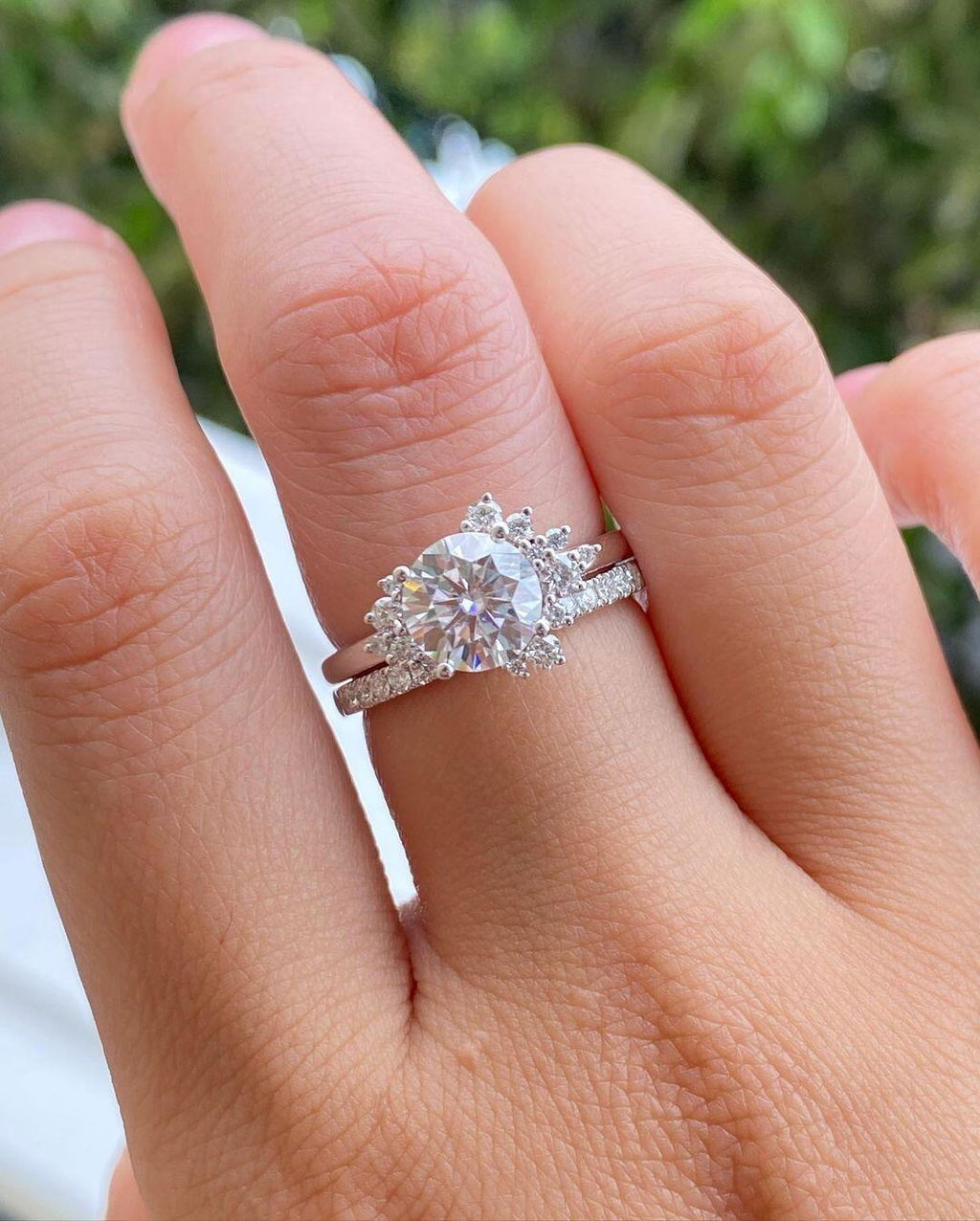
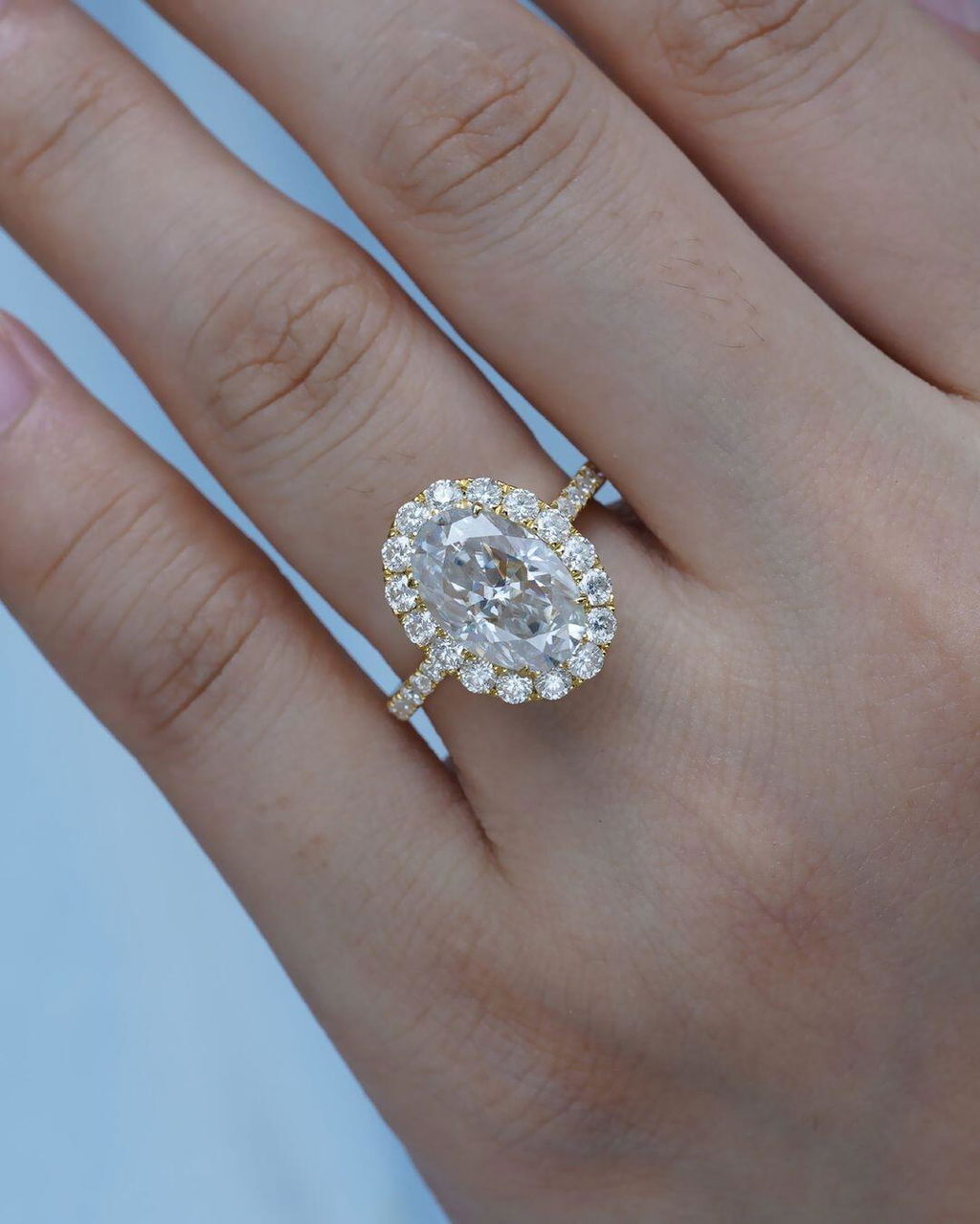
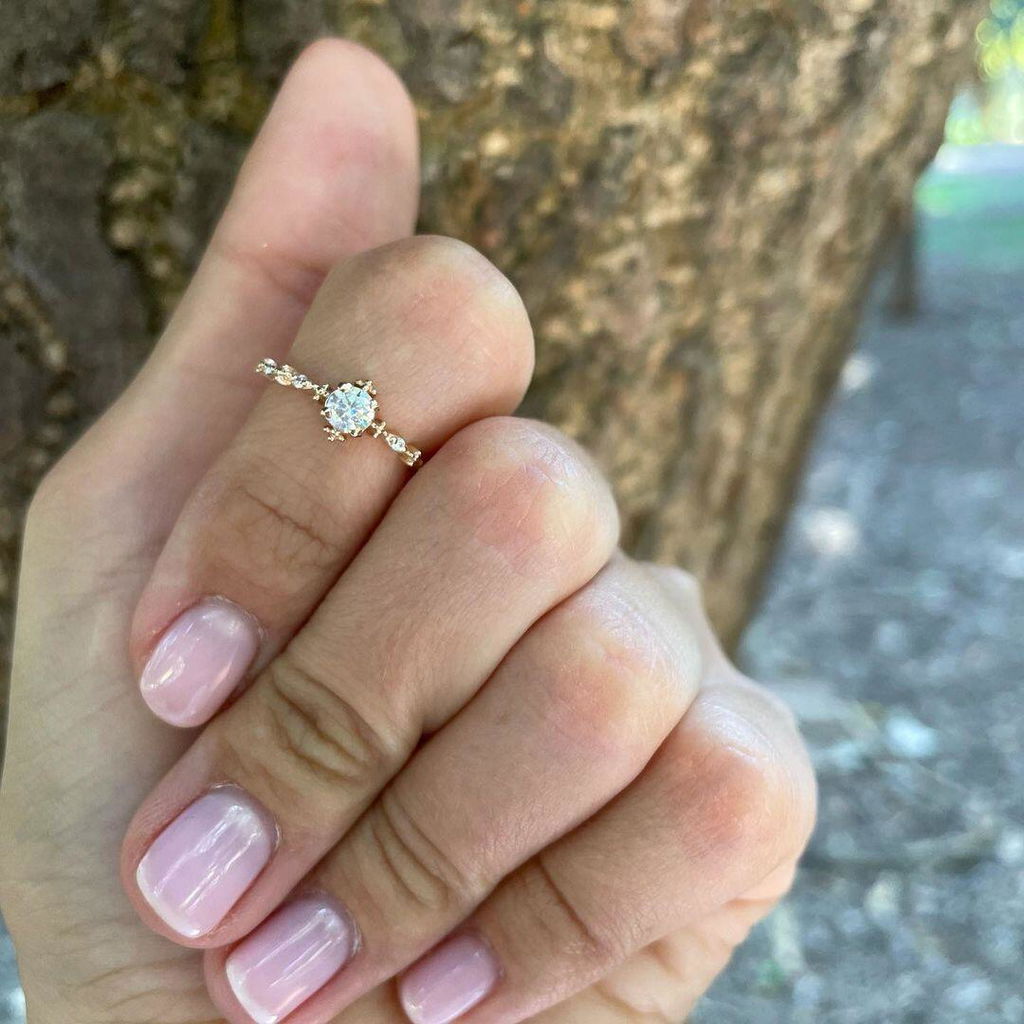
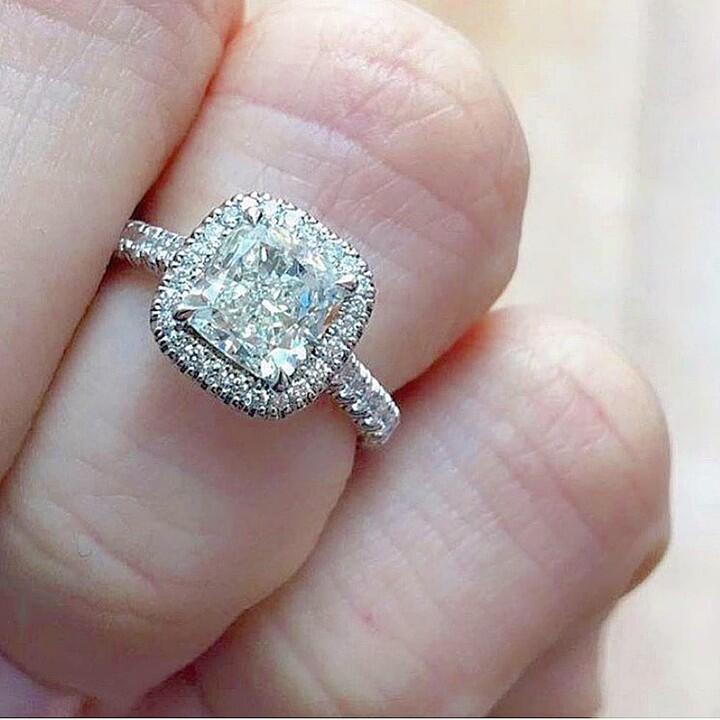






What are the four Cs of diamonds?
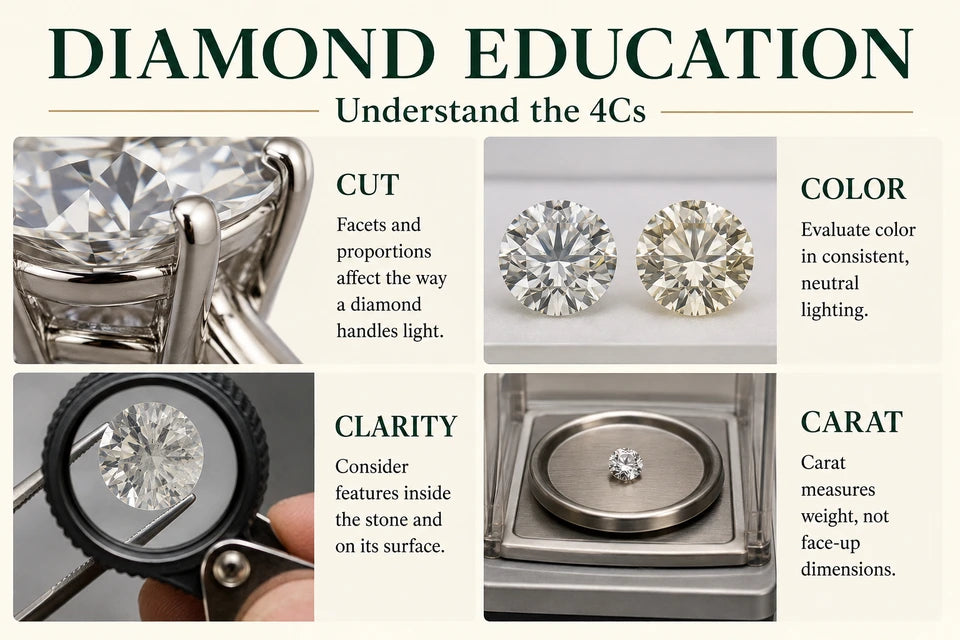
The four Cs are cut, color, clarity and carat weight. Together, they describe important features of a diamond, but they do not tell you everything about its appearance. A useful comparison combines the report with dimensions, clear images and a view of the actual stone in ordinary lighting.
| C | What it describes | What to check |
|---|---|---|
| Cut | How proportions, facets and finish affect appearance and light. | Brightness, contrast, symmetry and any available cut assessment. |
| Color | Body color, assessed using the report's stated system. | Visible tint and how it looks in your chosen metal. |
| Clarity | Internal inclusions and surface blemishes. | Their visibility, position and any durability implications. |
| Carat | Weight: one metric carat equals 0.2 grams. | Length and width as well as weight. |
The Gemological Institute of America's diamond quality guide explains these factors and their grading context. Use the report's actual terminology rather than assuming all laboratories or diamond types use an identical format.
Cut: how the diamond handles light
Cut is not the same as shape. Round, oval and emerald describe outlines or facet styles; cut quality concerns how the stone's proportions and workmanship affect its appearance. Brightness, reflected colors and the pattern of light and dark areas contribute to how lively a diamond looks as it moves.
A grade is helpful when a grading system applies, but a single number such as table percentage is not enough to predict beauty. Compare videos and photographs in more than one lighting condition. Look for distracting dark areas, uneven contrast or a flat appearance, and ask to see the stone without intense display lighting.
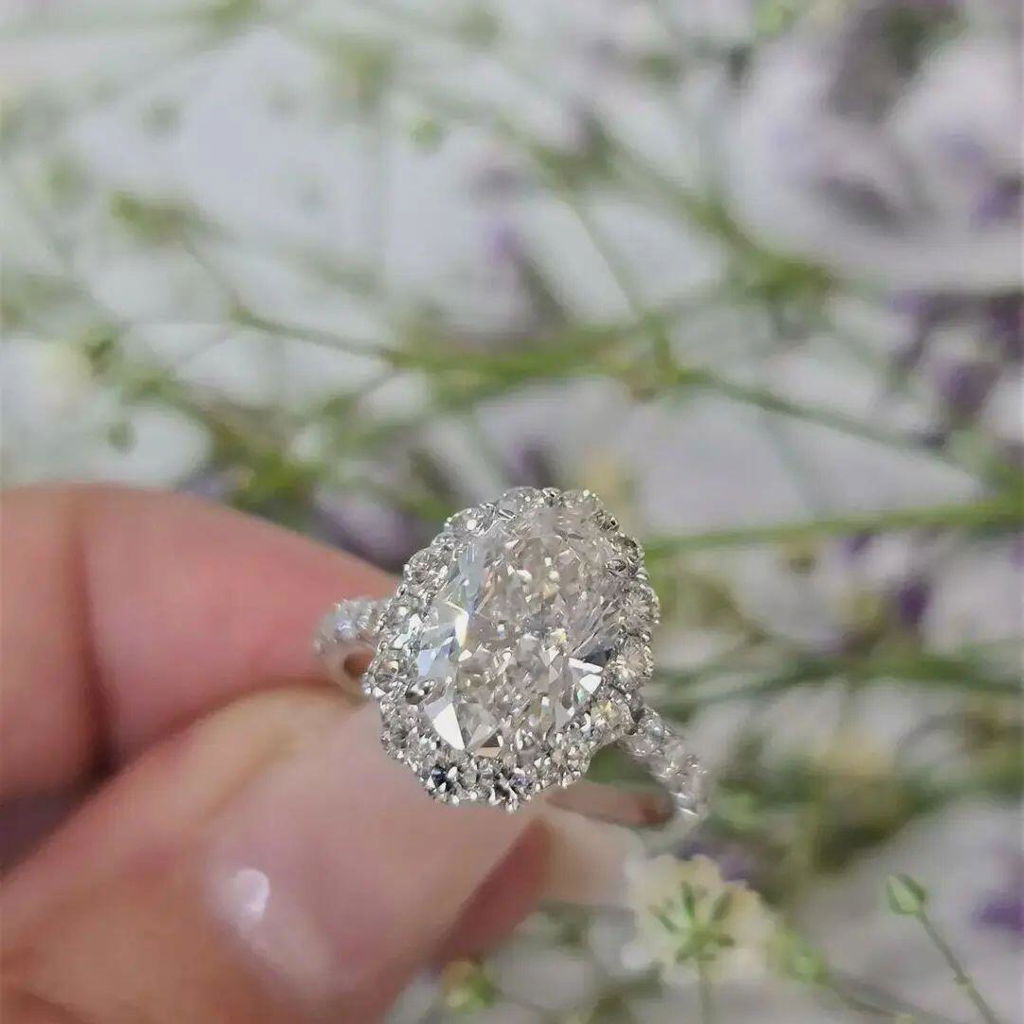
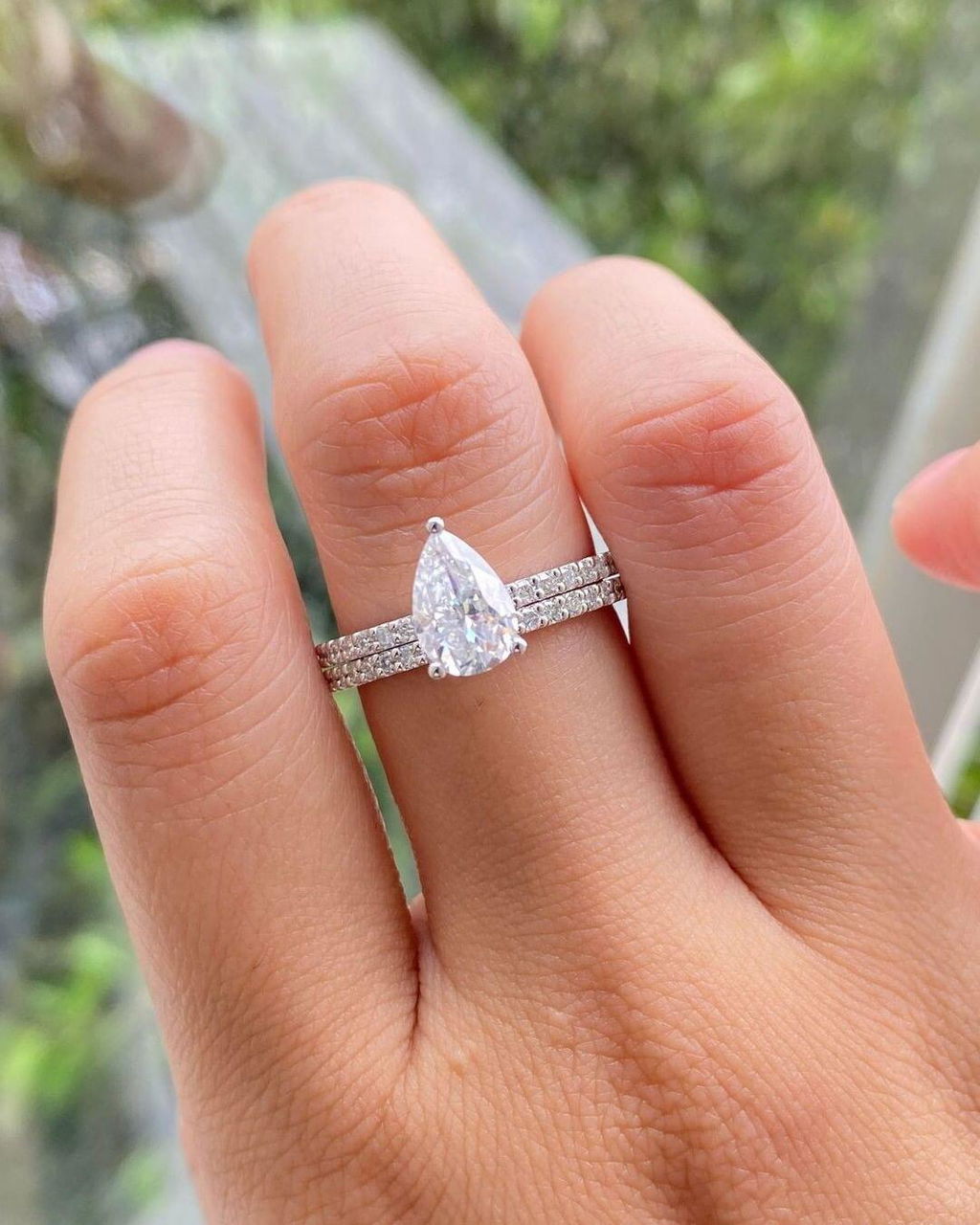
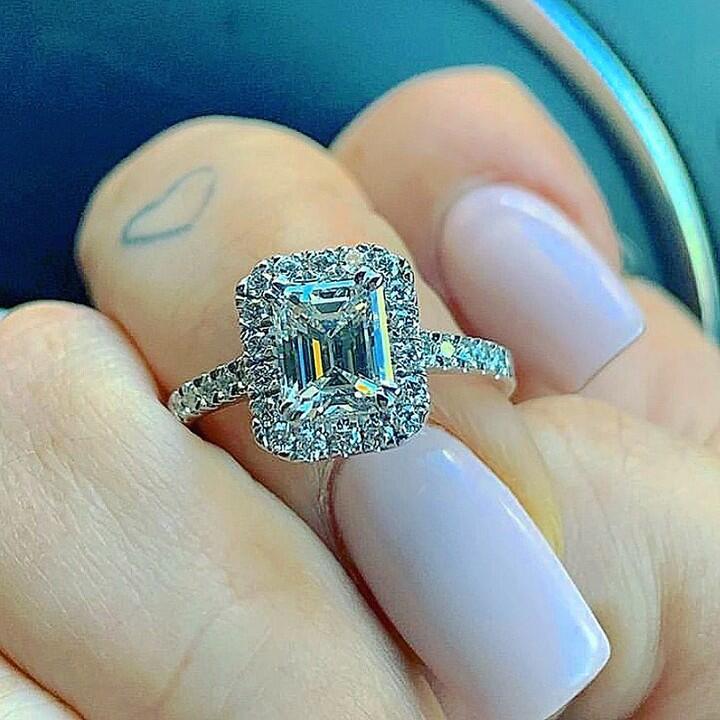
Do not apply round-brilliant cut rules automatically to fancy shapes. An emerald cut has broad step facets; an oval has a different pattern and may show a bow-tie area. Evaluate the actual stone's balance and appearance. Our diamond shapes and cuts guide helps distinguish the designs.
Color: compare the visible tint
For diamonds graded on the traditional D-to-Z scale, D is the colorless end and letters toward Z indicate increasing light yellow or brown color. This scale is not the system used to assess fancy-color diamonds. Confirm which system and descriptors appear on the report you are reading.
Small grade differences can be hard to distinguish once a diamond is mounted. Shape, size, lighting and metal color can influence how noticeable a tint looks. Compare stones side by side in neutral lighting and then consider them in the intended setting.
There is no universal color grade every shopper needs. Spend for a visible difference you value, rather than choosing a letter in isolation. If the listing offers a grade range, ask which individual diamond and report will be supplied before relying on a particular result.
Clarity: visibility matters as well as the grade
Clarity describes inclusions inside a diamond and blemishes on its surface. In traditional diamond clarity grading, the assessment uses 10× magnification. Common grade groups include Flawless, Internally Flawless, Very Very Slightly Included, Very Slightly Included, Slightly Included and Included.
A grade does not tell you exactly where an inclusion sits or whether you can see it without magnification. A dark inclusion under the table can be more noticeable than a small feature near an edge. Step-cut shapes often make internal features easier to examine than brilliant facet patterns.
“Eye-clean” is a seller's practical description, not a universally standardized laboratory grade. Ask about the viewing distance and lighting used, inspect the actual stone, and discuss any feature near a corner or girdle that could affect durability. Paying for a higher grade has value only if the difference matters to your priorities.
Carat: weight is not the same as visible size
One carat equals 0.2 grams, and a carat is divided into 100 points: a 50-point diamond weighs 0.50 ct. Weight alone does not establish how large a stone looks from above. Its outline, depth and proportions determine how that weight is distributed.
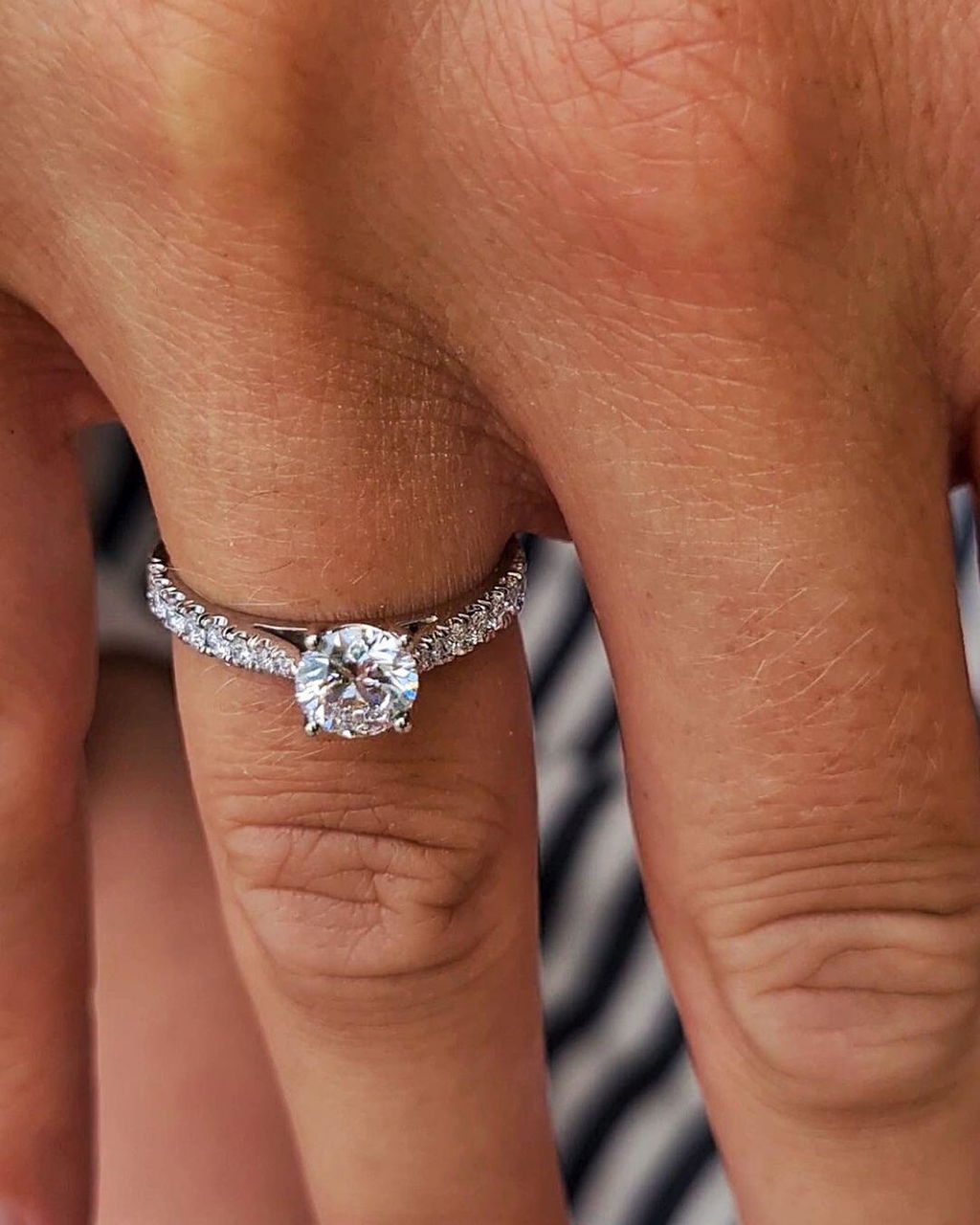
Compare the reported millimeter dimensions of stones with the same shape. A deeper stone can carry more weight below the visible face. Choosing a very shallow diamond purely for its width can introduce tradeoffs in appearance, so assess its light performance too.
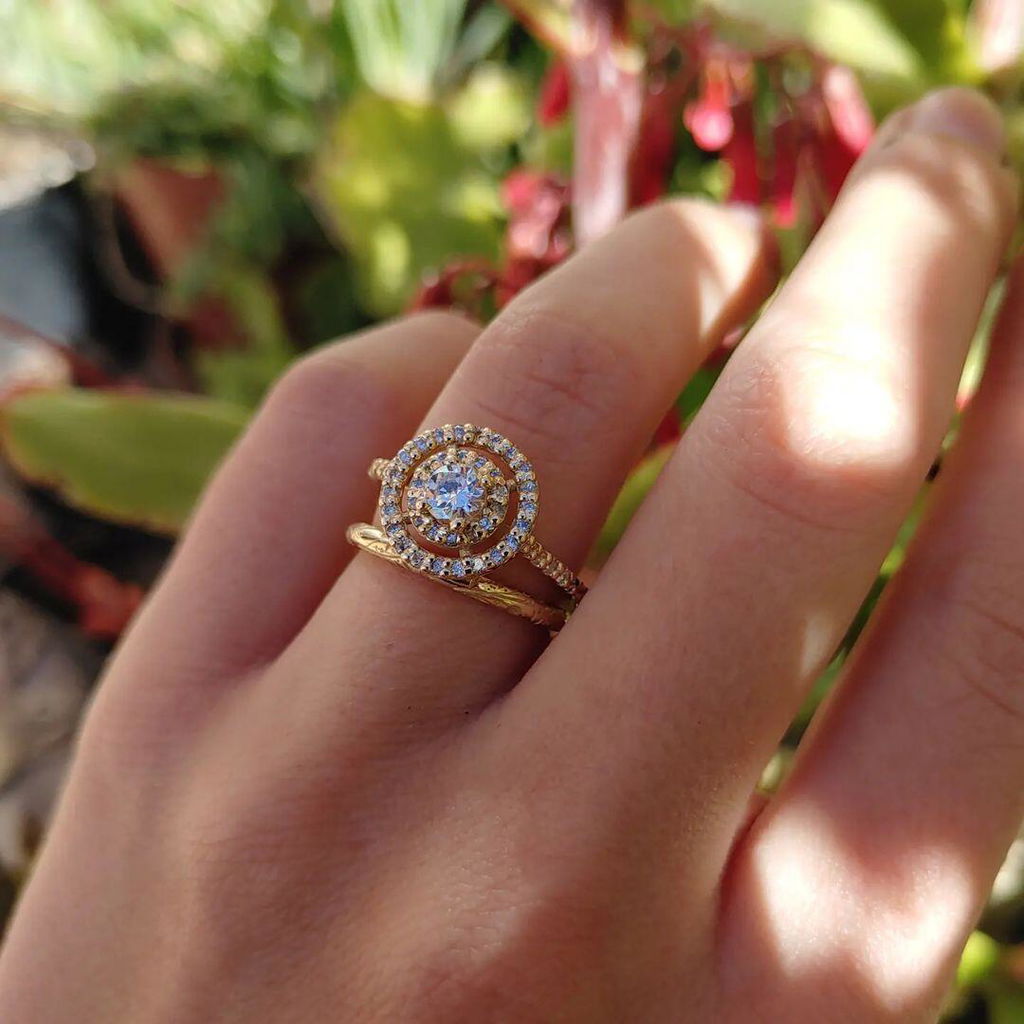
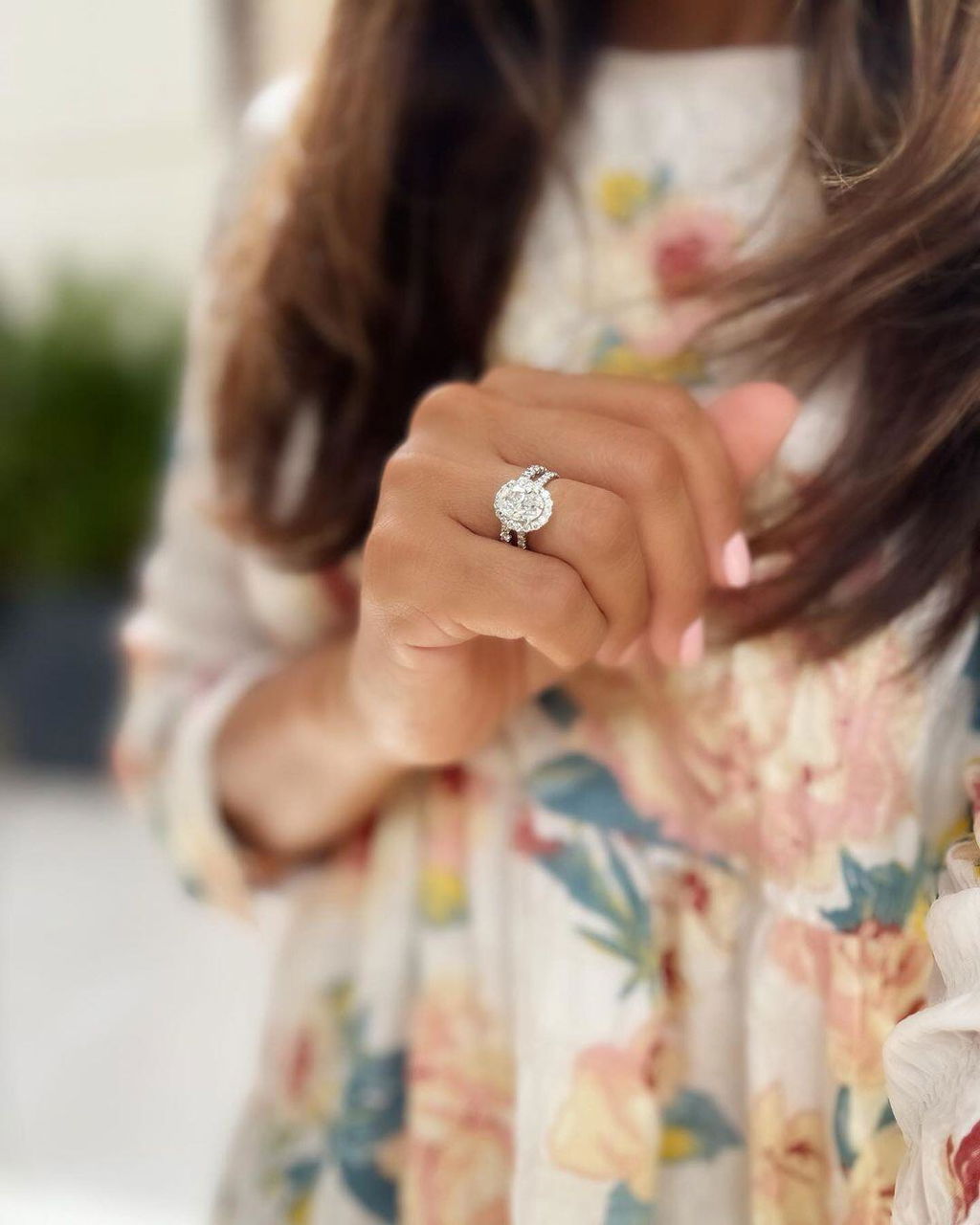
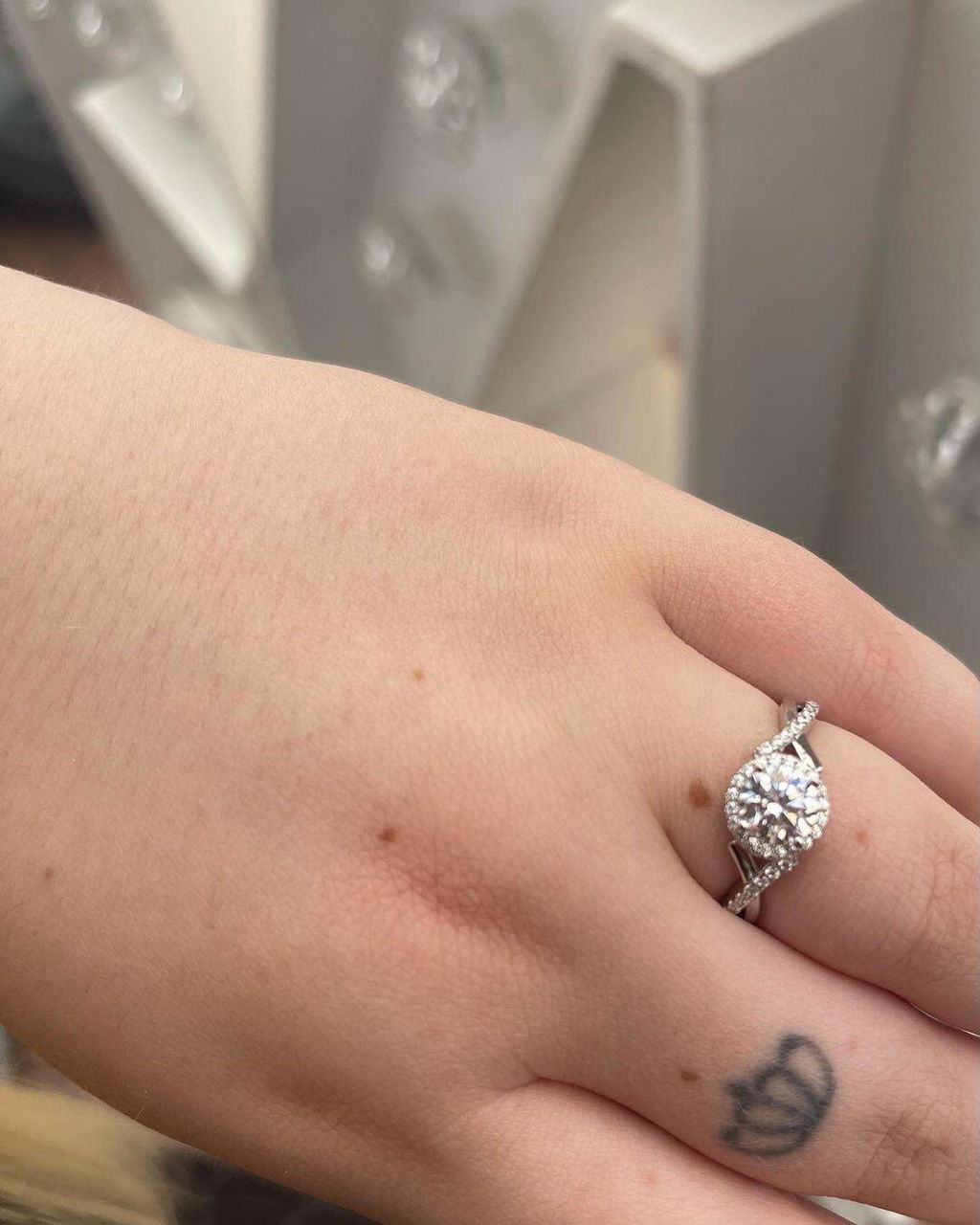
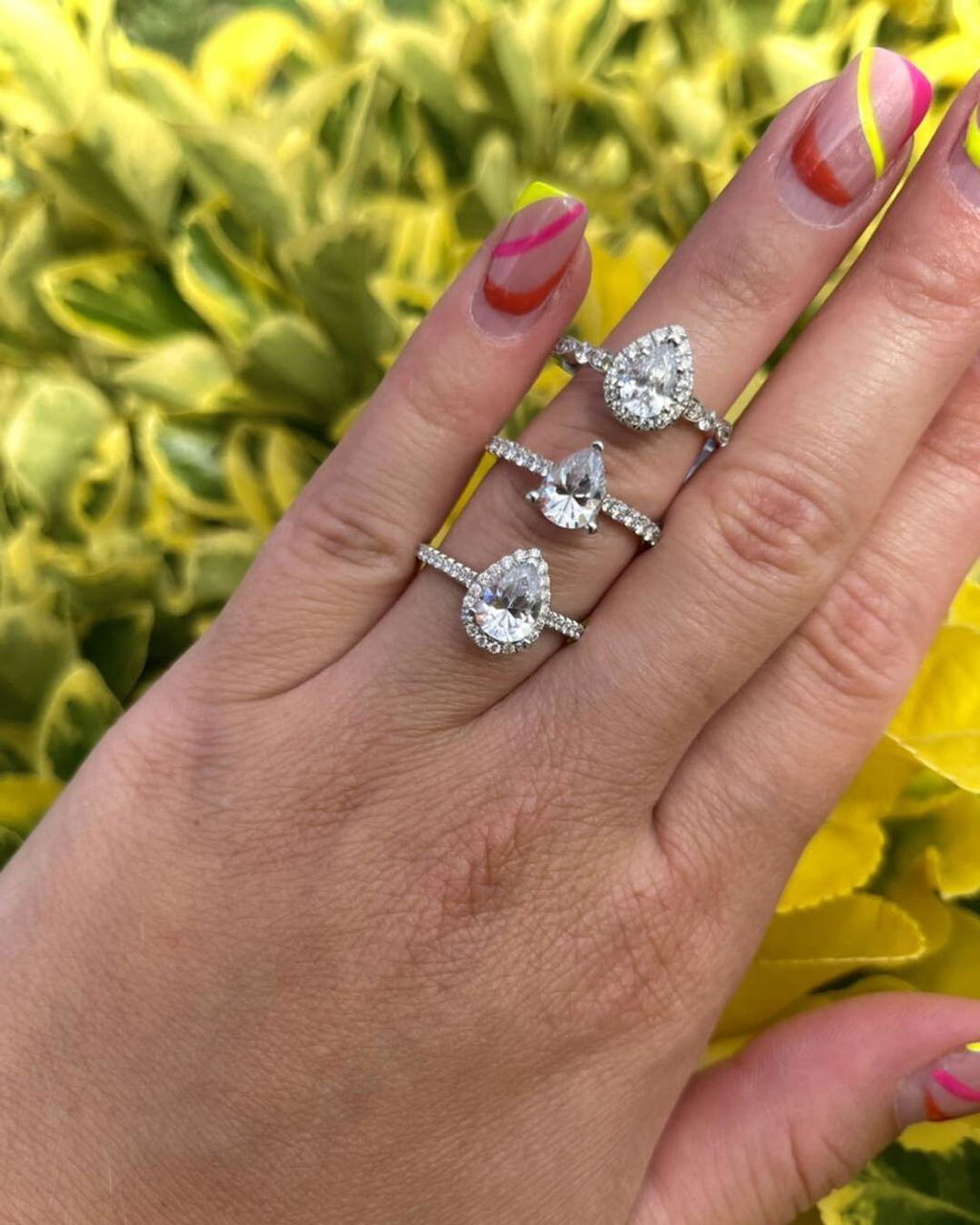
Also distinguish the center-stone weight from total carat weight. A halo ring described as 2.00 ct total may include the center and many small accent diamonds. That is a different product from a ring with a single 2.00 ct center stone. Our setting comparison guide explains how the design changes overall finger coverage.
Comparing lab-grown diamonds and grading reports
Laboratory-grown diamonds and natural diamonds share diamond's essential chemical composition and crystal structure, while their growth origins differ. Origin should be clearly disclosed. The report and product description should tell you which you are buying.
Do not assume a laboratory-grown report uses the same wording as a natural-diamond report, or that every laboratory uses the same categories. For example, the Gemological Institute of America's current laboratory-grown diamond service describes Premium and Standard assessments for eligible colorless to near-colorless stones. Report formats and services can change. Read the actual assessment, measurements, growth-origin disclosure and comments.
Where a report is supplied, verify its number with the issuing laboratory and compare its shape, weight and measurements with the offered diamond. If an inscription is present, ask how its match is checked. A grading report describes a stone; it is not a retail-price guarantee or an appraisal of the finished ring.
A practical comparison checklist
Start with the shape and a realistic total budget for both stone and setting. Then compare two or three actual diamonds, rather than only a seller's general grade range.
- Record the report issuer and number, growth origin, shape, weight and millimeter dimensions.
- Compare brightness and contrast in clear videos or in person, using similar lighting.
- Check whether color or inclusions are visible to you at a normal viewing distance.
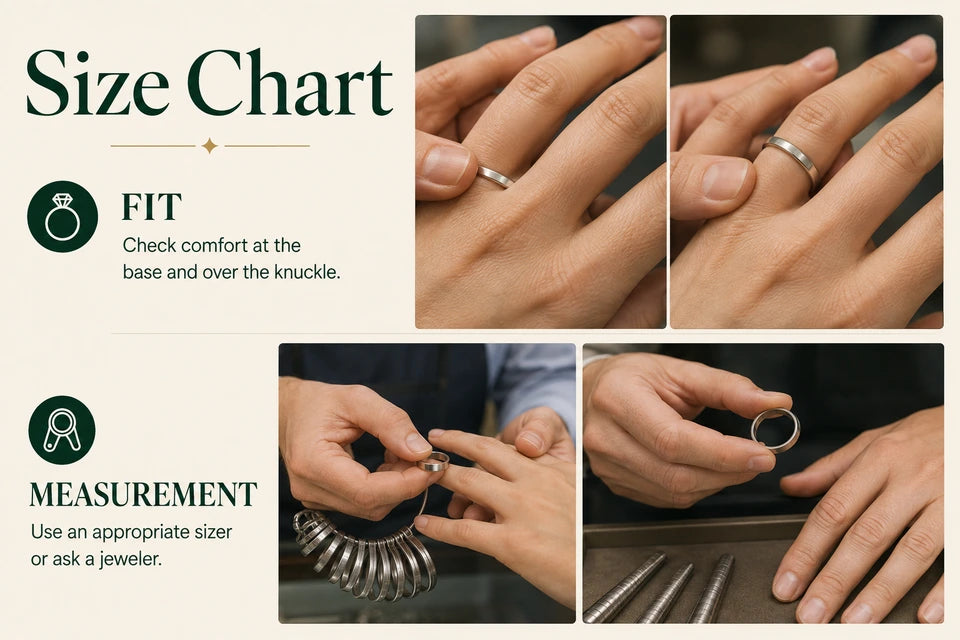
- Confirm the metal, prongs or bezel, ring size and setting height.
- Review the exact product description, return eligibility and any documentation included with the purchase.
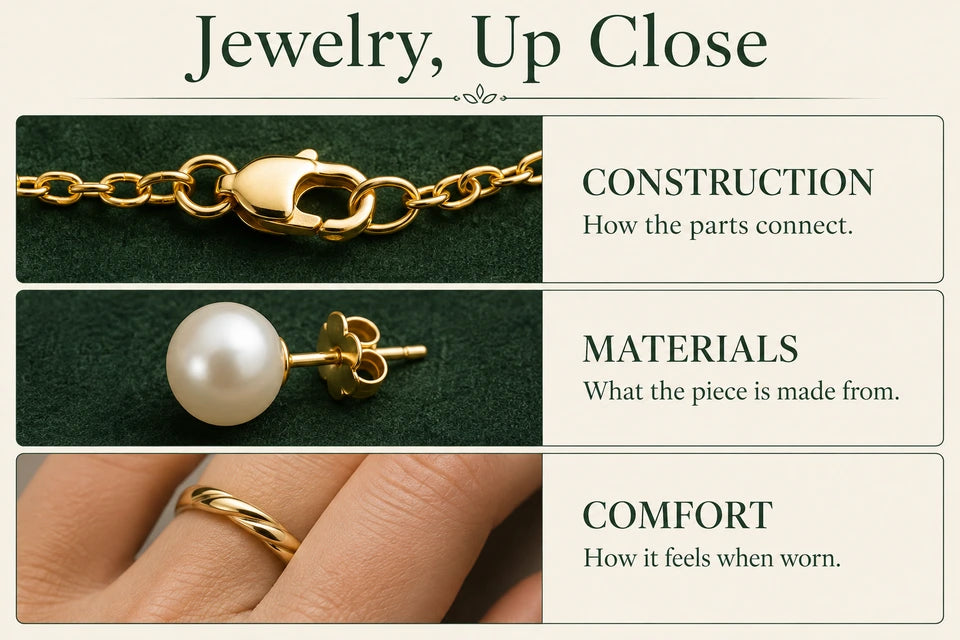
Keep the tradeoffs explicit. If two stones look equally appealing to you, a small difference on paper may matter less than the setting's construction or fit. If a feature is visibly distracting, a more impressive weight will not remove it.
Common questions about the four Cs
Which C is most important?
There is no single ranking for every diamond, but appearance should be central to the decision. Cut and light performance deserve close attention because they influence what you see. Balance them with a color and clarity you find acceptable and a size that works in the chosen setting.
Is a higher clarity grade always better value?
No. Two diamonds with different clarity grades may look similar without magnification, while inclusions in another stone may be noticeable or need a durability assessment. Compare the actual stones and the position of their features. Higher grades can affect price without creating an equally visible improvement.
Can I choose a diamond from the four Cs alone?
The four Cs help narrow a search, but they do not replace looking at the diamond. Include measurements, images, report details and setting construction. A listing with broad ranges should be clarified so you know what individual stone, documentation and finished design you will receive.
Use the four Cs to choose a finished piece
A good comparison ends with a diamond whose appearance you like and a setting that suits its dimensions and your routine. Choose a combination of features you can explain, rather than maximizing one grade at the expense of everything else.
Explore lab-grown diamond engagement rings and compare their stated specifications. For an individual comparison, contact Diamond Studio with the product links and the report details you want to review.
Compare the specifications of the individual diamond and finished setting. Illustrations show concepts; they do not establish a product’s measurements or quality.