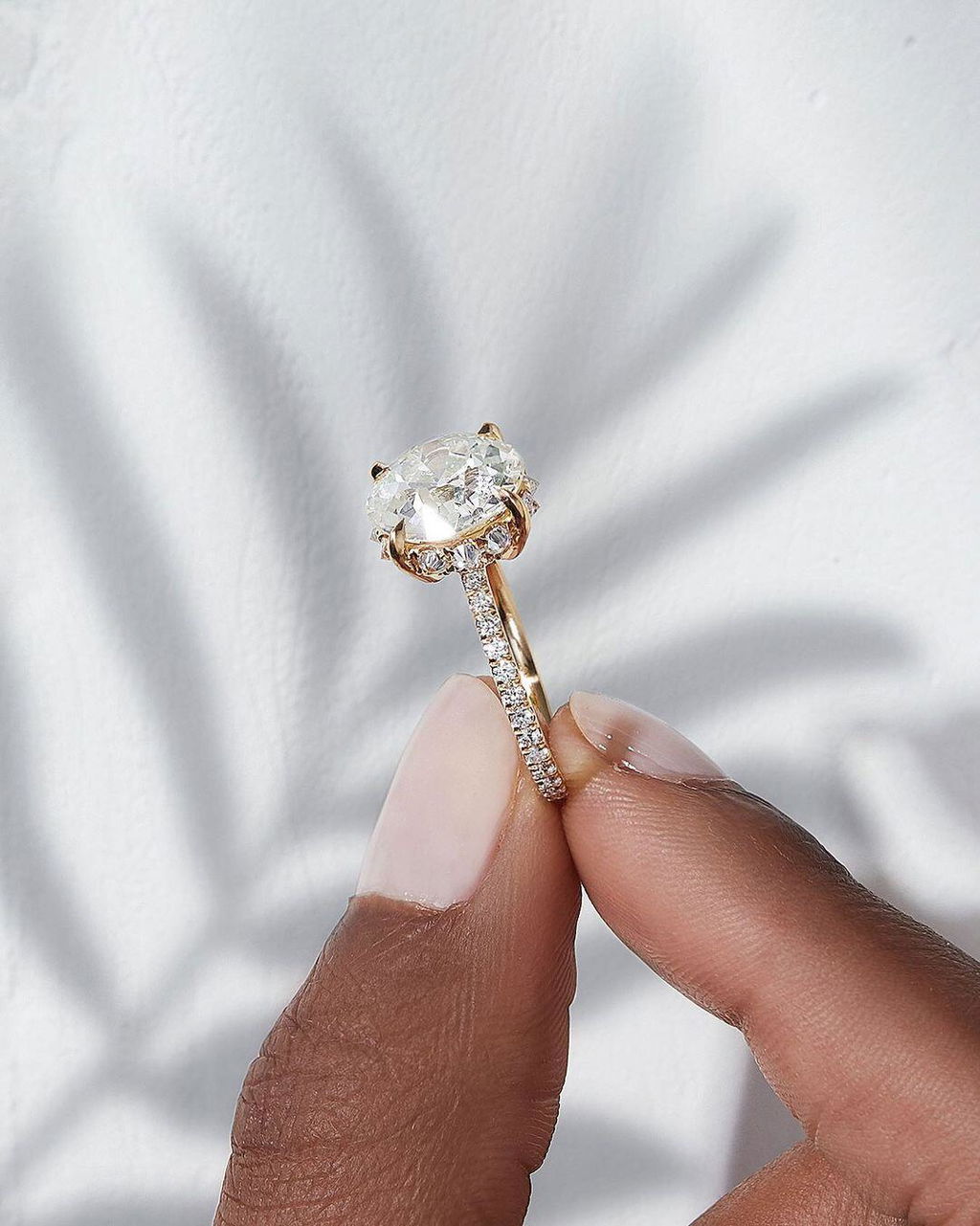


Introduction
Diamond buying guide Diamond Shapes and Cuts Guide Reviewed by Diamond Studio Education Team | Last updated June 2026 Diamond shape is the outline you see from above. Cut quality is how well the diamond has been proportioned, polished, and finished to return light. The best choice balances the look you love, the setting style, the budget, and the way the diamond performs in real life. Shop lab grown rings Color and clarity guide
Quick answer
Choose round if maximum sparkle and easy comparison matter most. Choose oval, pear, or marquise if you want a longer look on the finger. Choose radiant, cushion, or princess if you want strong brilliance with a more distinctive outline. Choose emerald or asscher if you prefer a cleaner, architectural look and are willing to inspect clarity more carefully.
Shape vs cut quality
Shape and cut are often used together, but they are not the same thing. Shape names the silhouette: round, oval, radiant, cushion, emerald, pear, marquise, princess, asscher, or heart. Cut quality describes light performance, symmetry, polish, proportions, and how lively the diamond looks. A beautiful shape can still look dull if the cut is weak, while a well-cut diamond can make a simpler setting feel more refined. Brilliance Brilliance is the white light returned by the diamond.
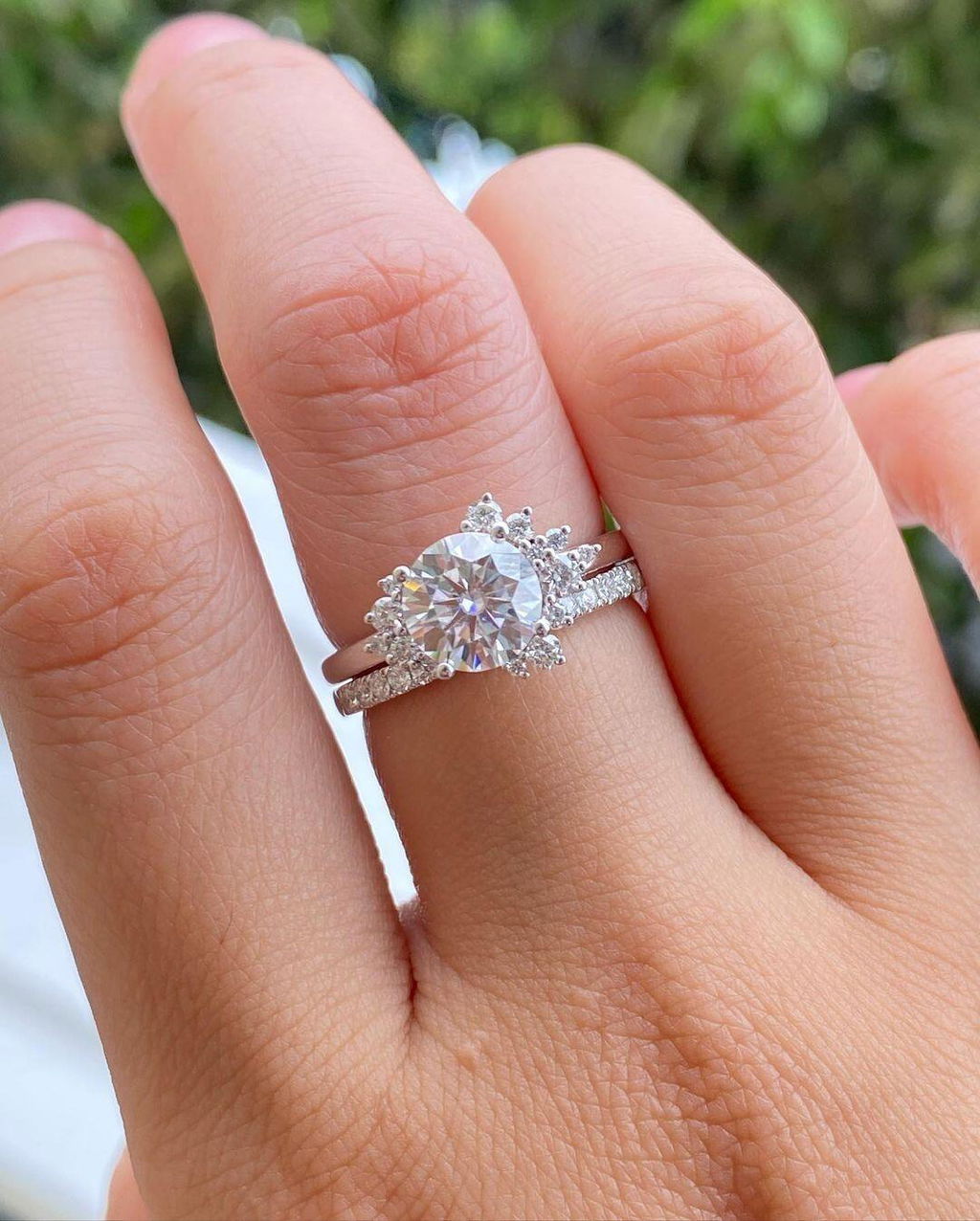
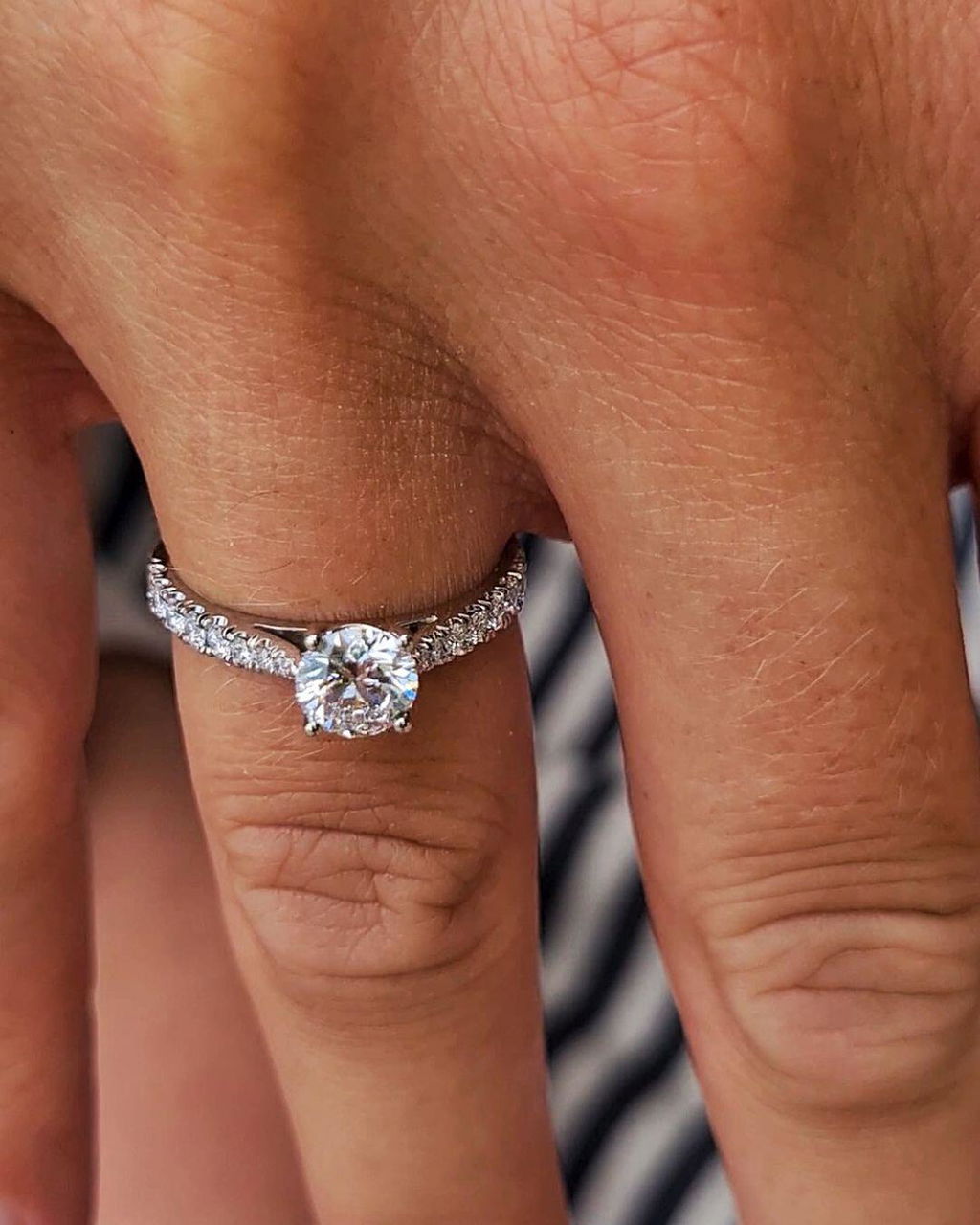
Round brilliant diamonds are the easiest to compare because cut grades are more standardized. Fire Fire is the colored flashes you see as the diamond moves. It depends on cut, lighting, facet style, and how the stone is set. Spread Spread is how large the diamond looks from above. Elongated shapes can appear larger than round diamonds of the same carat weight.
Popular diamond shapes compared
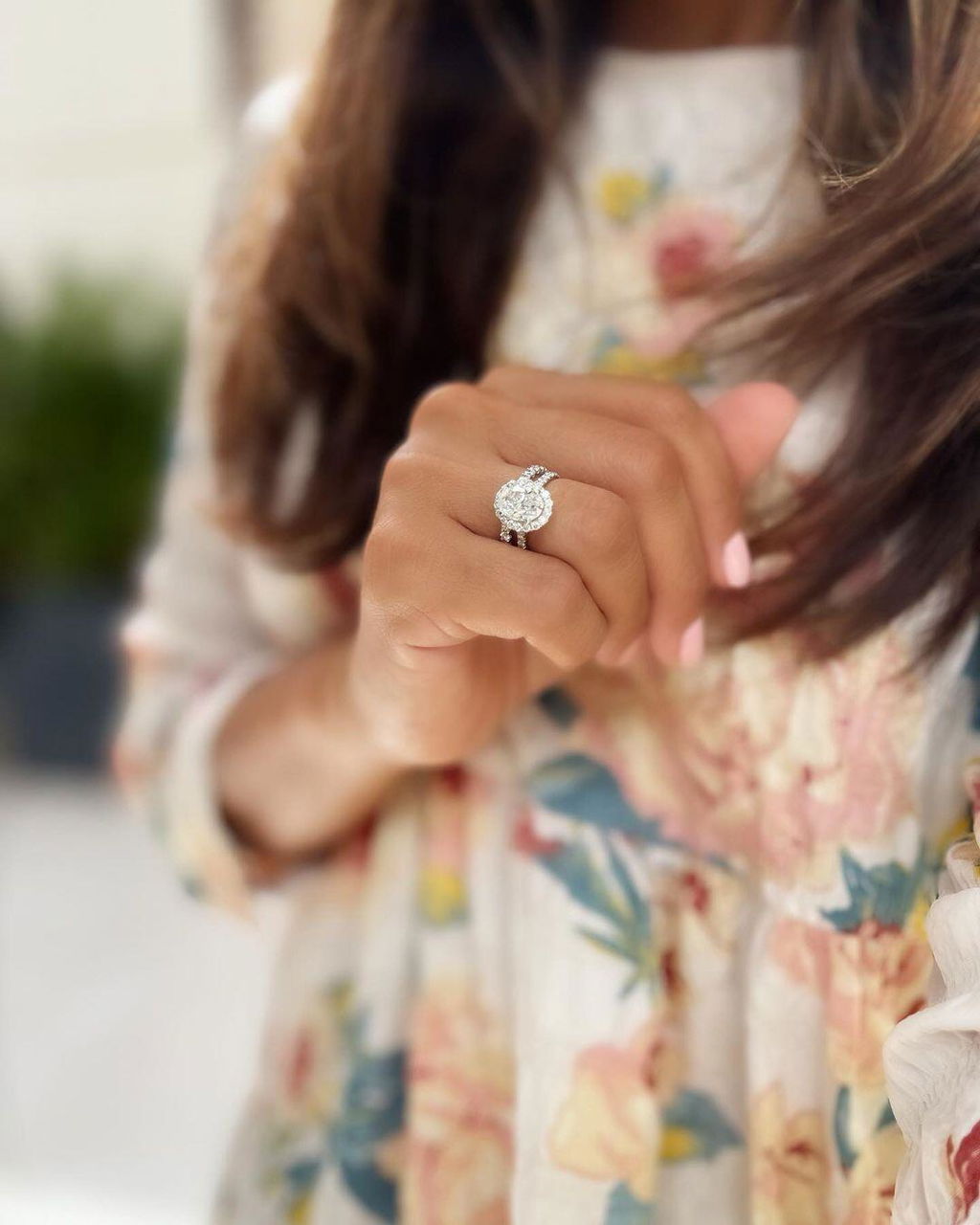
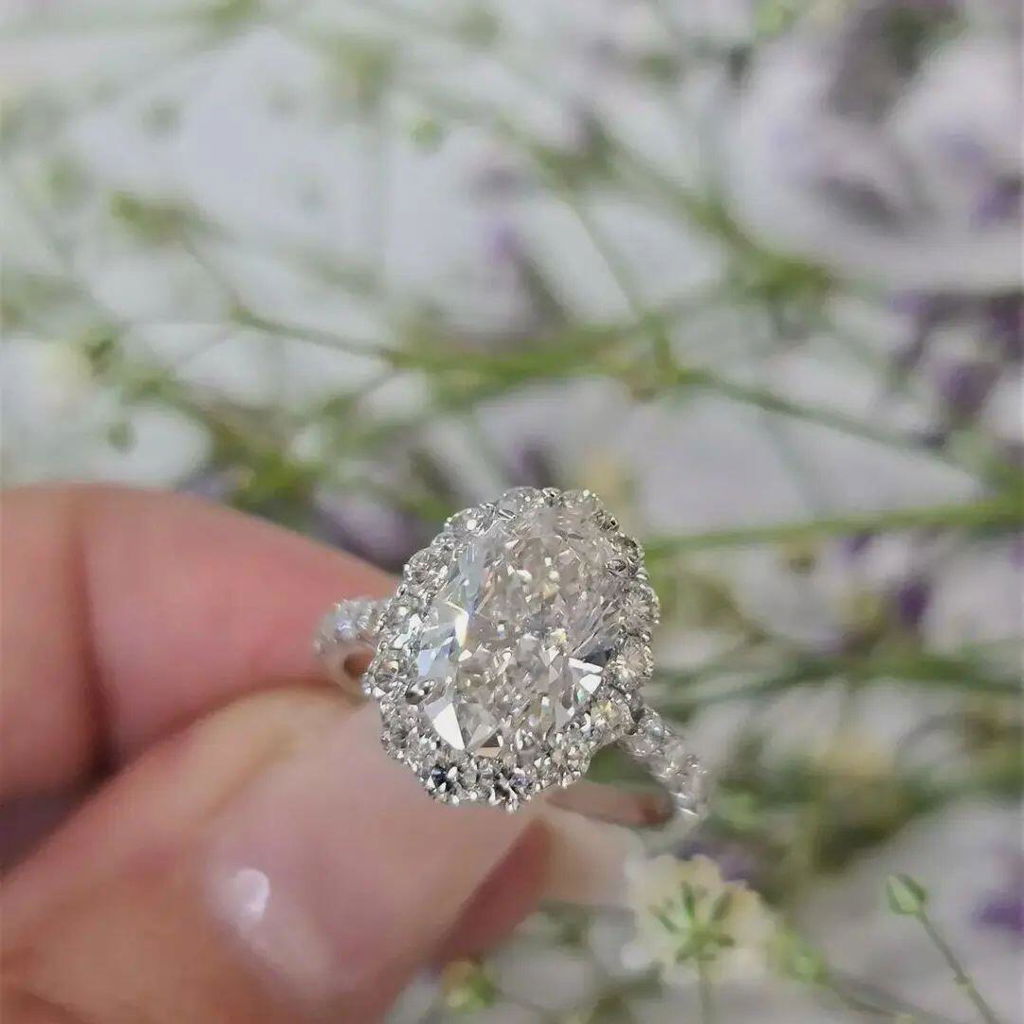
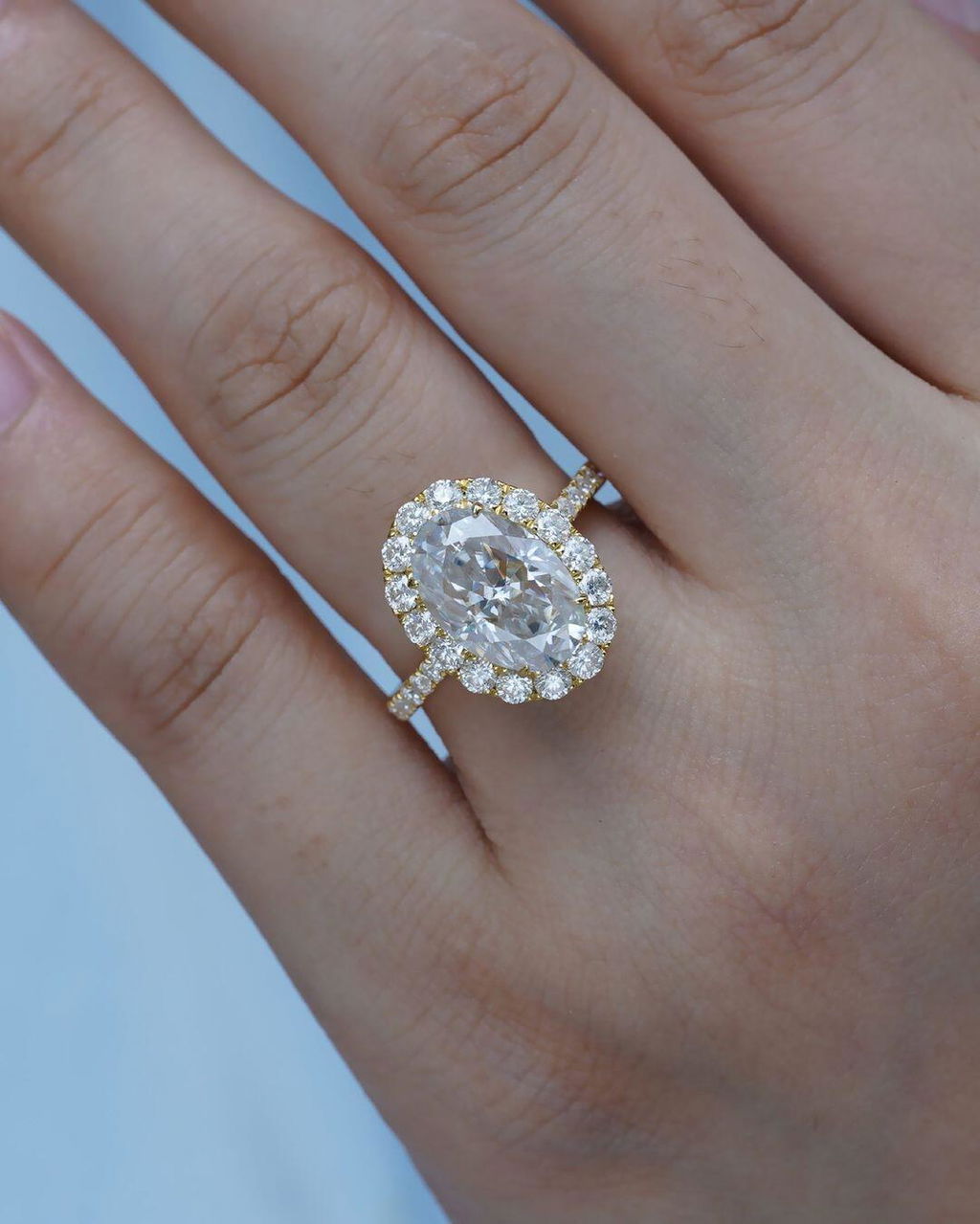
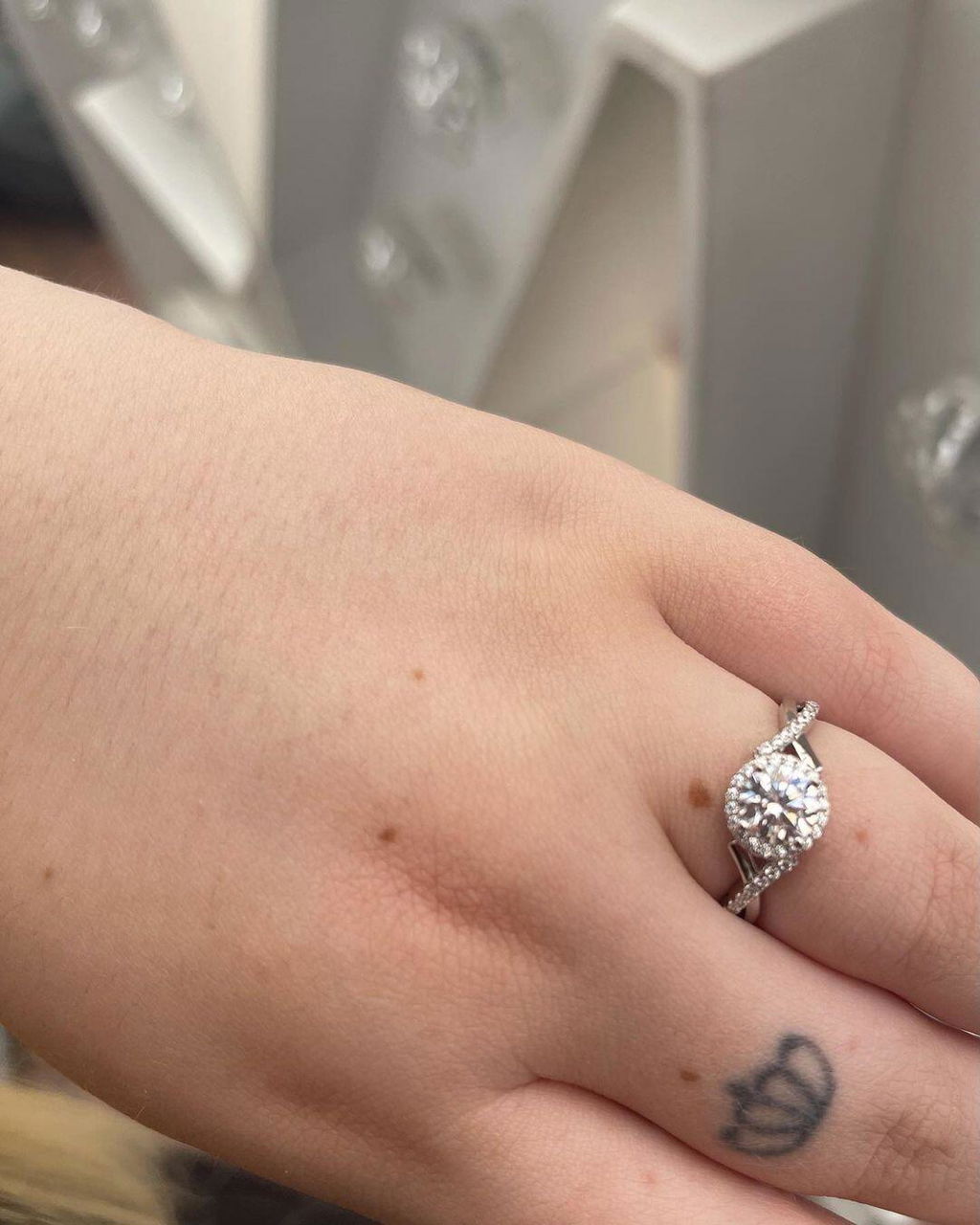
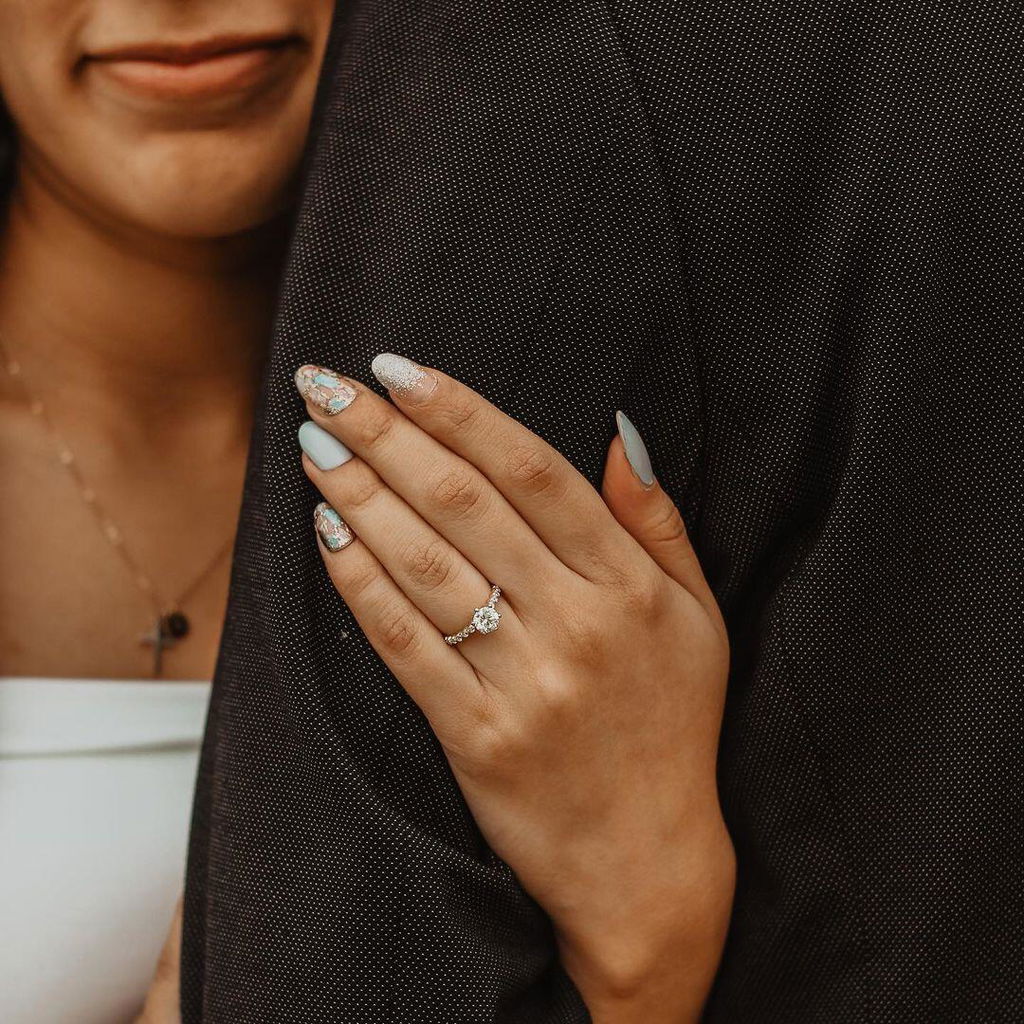
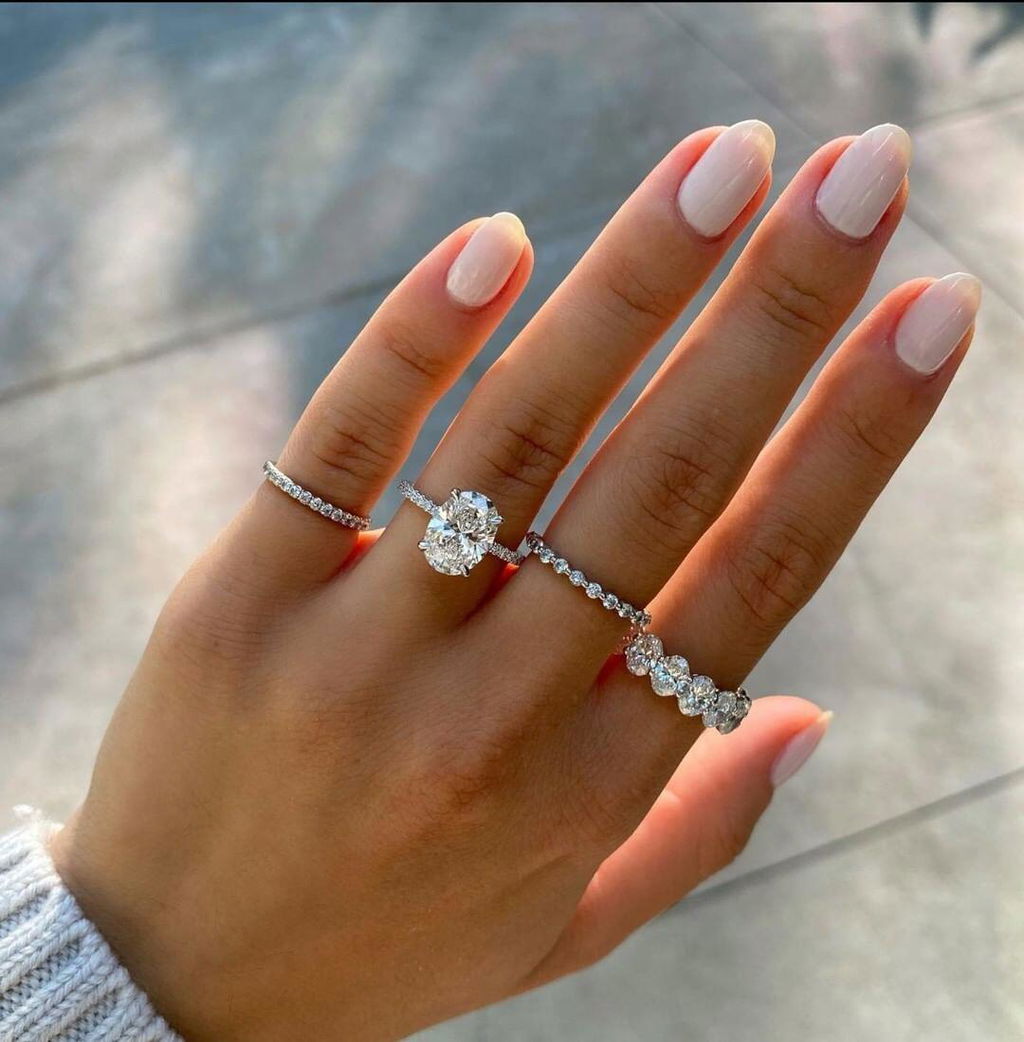
Shape Best for What to inspect Setting notes Round brilliant Classic sparkle, timeless engagement rings, simple comparison. Cut grade, polish, symmetry, table, depth, and overall brightness. Works with solitaires, halos, three-stone rings, pave bands, studs, and pendants. Oval An elongated look that can make the finger appear longer. Bow-tie visibility, length-to-width ratio, symmetry, and face-up spread. Looks strong in solitaires, hidden halos, three-stone rings, and east-west settings.
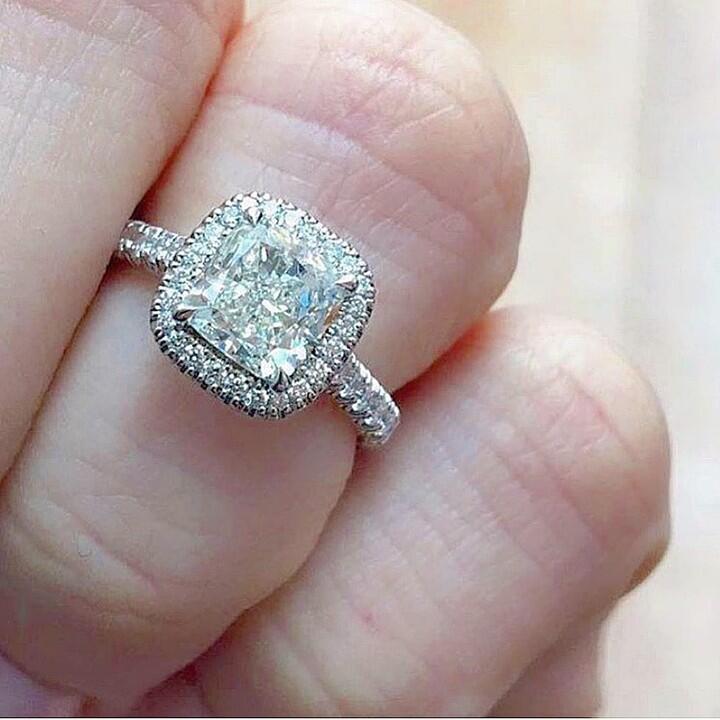
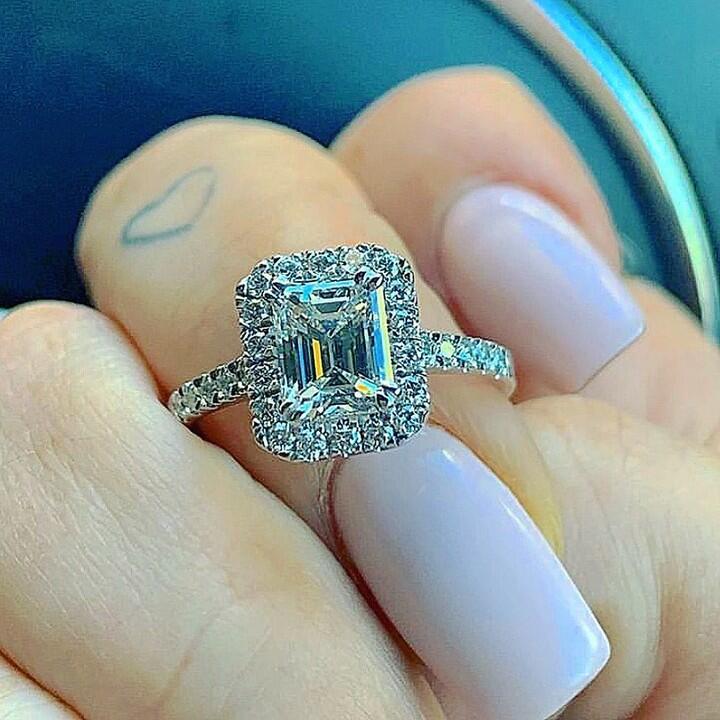
Radiant Bright sparkle with a rectangular or square outline. Crushed-ice vs broader facet appearance, corner symmetry, and measurements. Rounded corners make radiant diamonds practical for many ring styles. Cushion Soft shape, romantic style, and a choice between antique or modern sparkle. Facet pattern, length-to-width ratio, brightness under the table, and outline shape. Pairs well with halos, vintage settings, solitaires, and delicate pave bands.
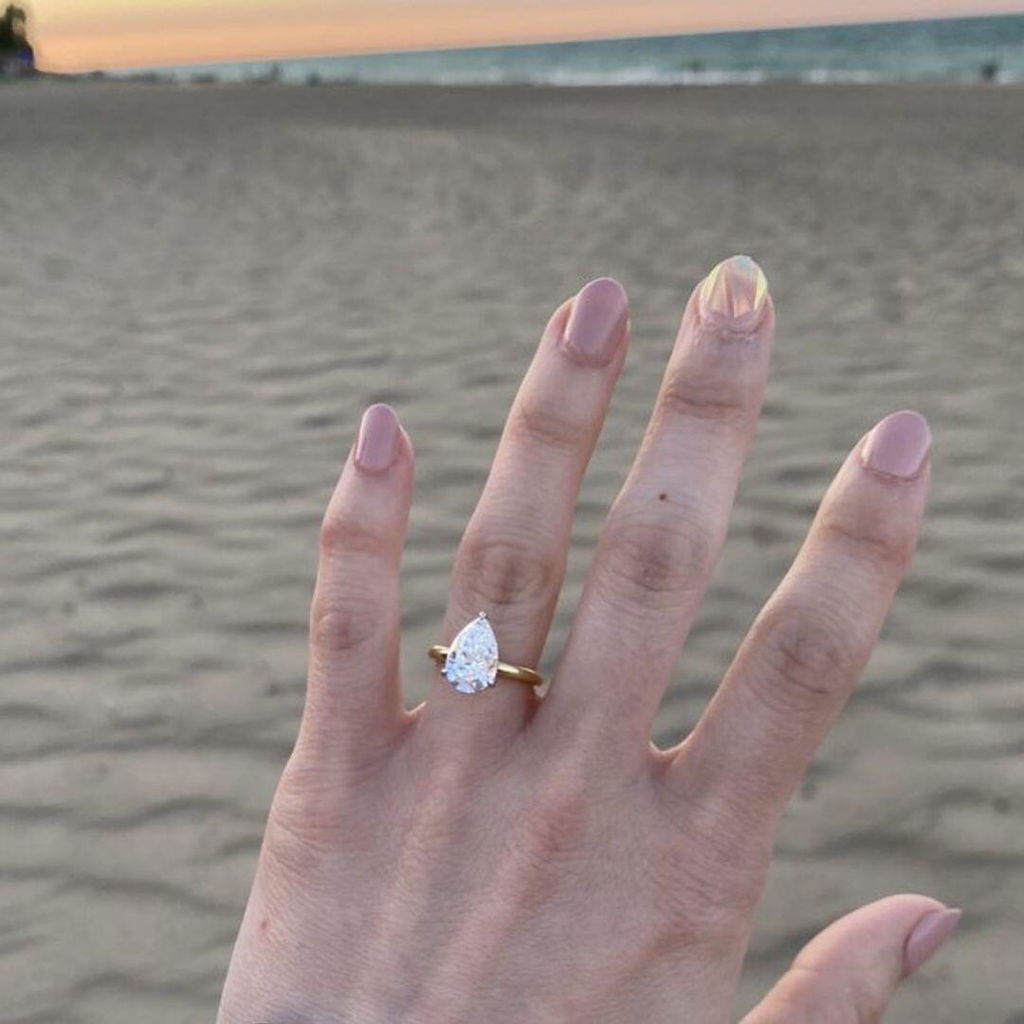
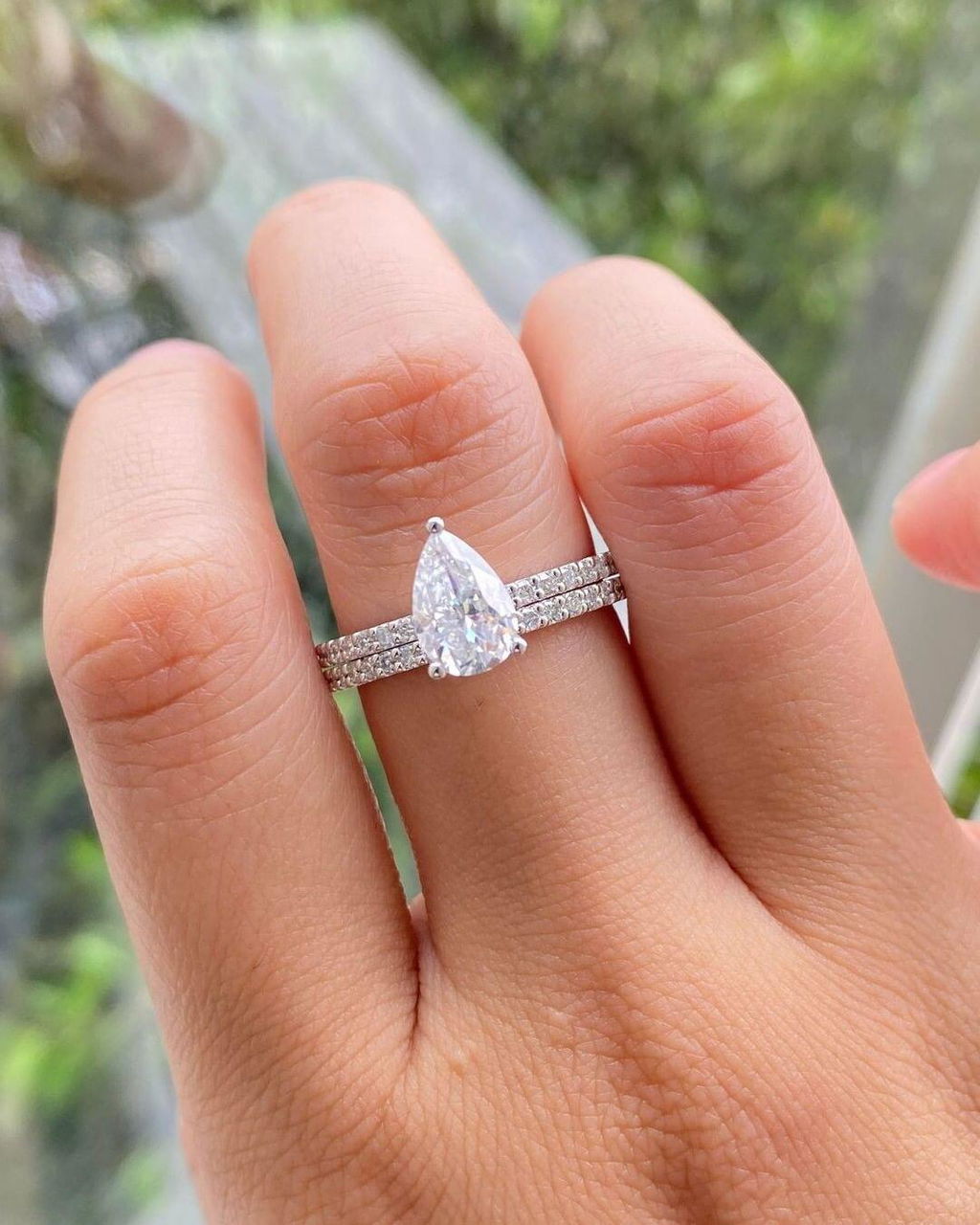
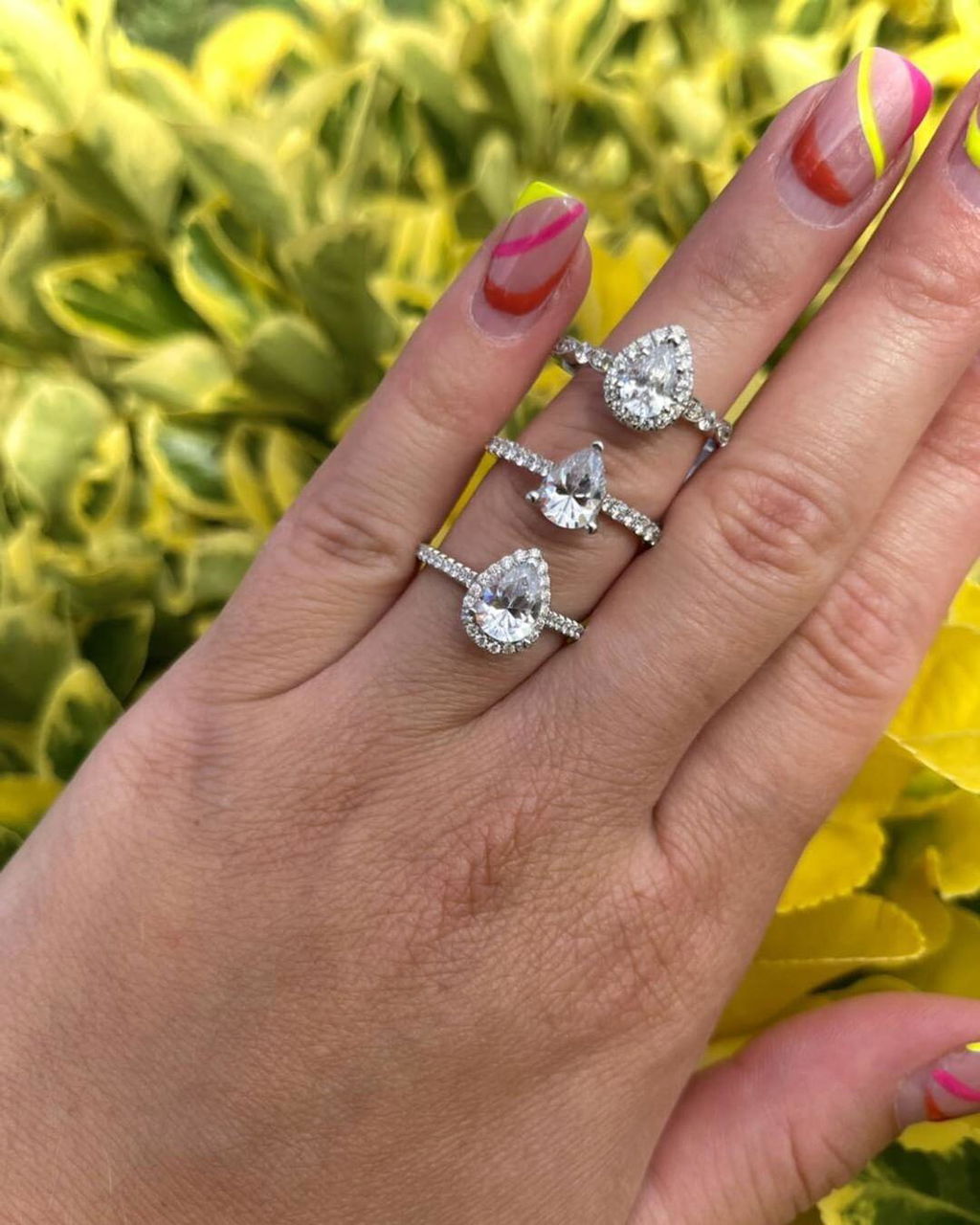
Emerald Clean lines, step-cut facets, and a refined mirror-like look. Clarity, symmetry, windowing, table reflection, and length-to-width ratio. Works beautifully in solitaires, three-stone rings, and bezel or east-west settings. Pear A graceful teardrop shape that combines round and marquise character. Bow-tie, point alignment, shoulder symmetry, and whether the outline feels balanced. The pointed tip should be protected by a V-prong or secure setting detail.
Marquise Maximum length and a dramatic, vintage-inspired profile. Bow-tie strength, tip symmetry, girdle thickness, and face-up spread. Tip protection is important. Marquise diamonds also suit east-west designs. Princess A crisp square look with strong brilliance. Corner protection, symmetry, table size, and whether the stone looks bright edge to edge. Use secure prongs that protect each corner from daily wear. Asscher Vintage geometry and step-cut character in a square outline.
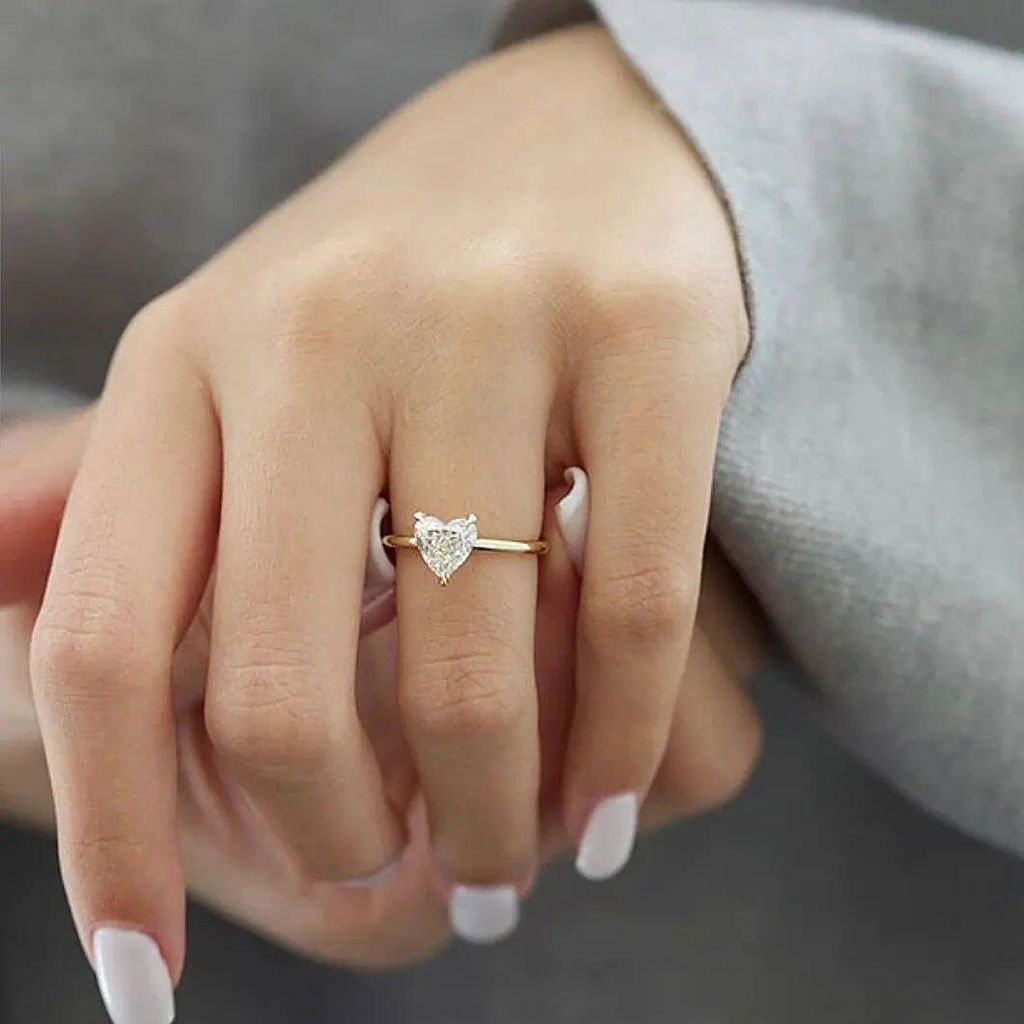
Clarity, symmetry, centered patterning, and the hall-of-mirrors effect. Works well in solitaires, bezels, and Art Deco-inspired rings. Heart A symbolic, romantic shape for buyers who want a distinctive diamond. Symmetry, cleft definition, proportions, and whether both lobes match. Best when set securely and chosen large enough for the shape to read clearly.
How to choose a shape for an engagement ring
Start with the style: classic, modern, vintage, minimal, bold, romantic, or architectural. Decide whether you prefer a round, square, rectangular, elongated, or pointed outline. Compare measurements as well as carat weight. Two diamonds with the same carat can look different on the hand. Inspect images or video for brightness, symmetry, bow-tie, visible inclusions, and proportion. Match the shape to a setting that protects corners or points where needed.
Review certification, metal choice, shipping, returns, resizing, warranty, and care before checkout. Lab grown vs natural IGI vs GIA Ring sizing and care
Shape notes for online shoppers
Watch the bow-tie Oval, pear, radiant, and marquise diamonds can show a darker bow-tie across the center. A small bow-tie can be normal, but a strong dark band may distract from the stone. Use clarity by shape Step cuts such as emerald and asscher often reveal inclusions more easily. Brilliant styles such as round, cushion, and radiant can be more forgiving. Think about daily wear Pear, marquise, princess, and heart diamonds have tips or corners that need secure setting design.
This is especially important for engagement rings worn every day.
Diamond Studio support
Diamond Studio is an online-first fine jewelry store focused on customers across the United States, with worldwide shipping available. We ship from New York City and help customers compare lab grown diamond engagement rings, wedding rings, earrings, bracelets, necklaces, and custom-style jewelry without operating a public retail storefront. Contact support Shop earrings Shop necklaces
Diamond shapes FAQ
Which diamond shape sparkles the most? Round brilliant diamonds are usually the easiest to compare for maximum sparkle because they have standardized cut grades. Fancy shapes can also be very bright, but they need more visual inspection. Which diamond shapes look largest? Oval, pear, marquise, and some radiant diamonds can look visually larger because of their elongated outlines and face-up spread. Which diamond shapes need higher clarity?
Emerald and asscher diamonds often need closer clarity review because step-cut facets can make inclusions easier to notice. What is the bow-tie effect? The bow-tie effect is a darker area across the center of some elongated fancy shapes. It is most common in oval, pear, marquise, and radiant diamonds. Is diamond shape the same as diamond cut? No. Shape is the outline of the diamond. Cut quality describes the proportions, polish, symmetry, and light performance of the stone.
Every piece has its own specifications. Consult the product details and any accompanying grading report when comparing individual jewelry.
Original page address ↗

