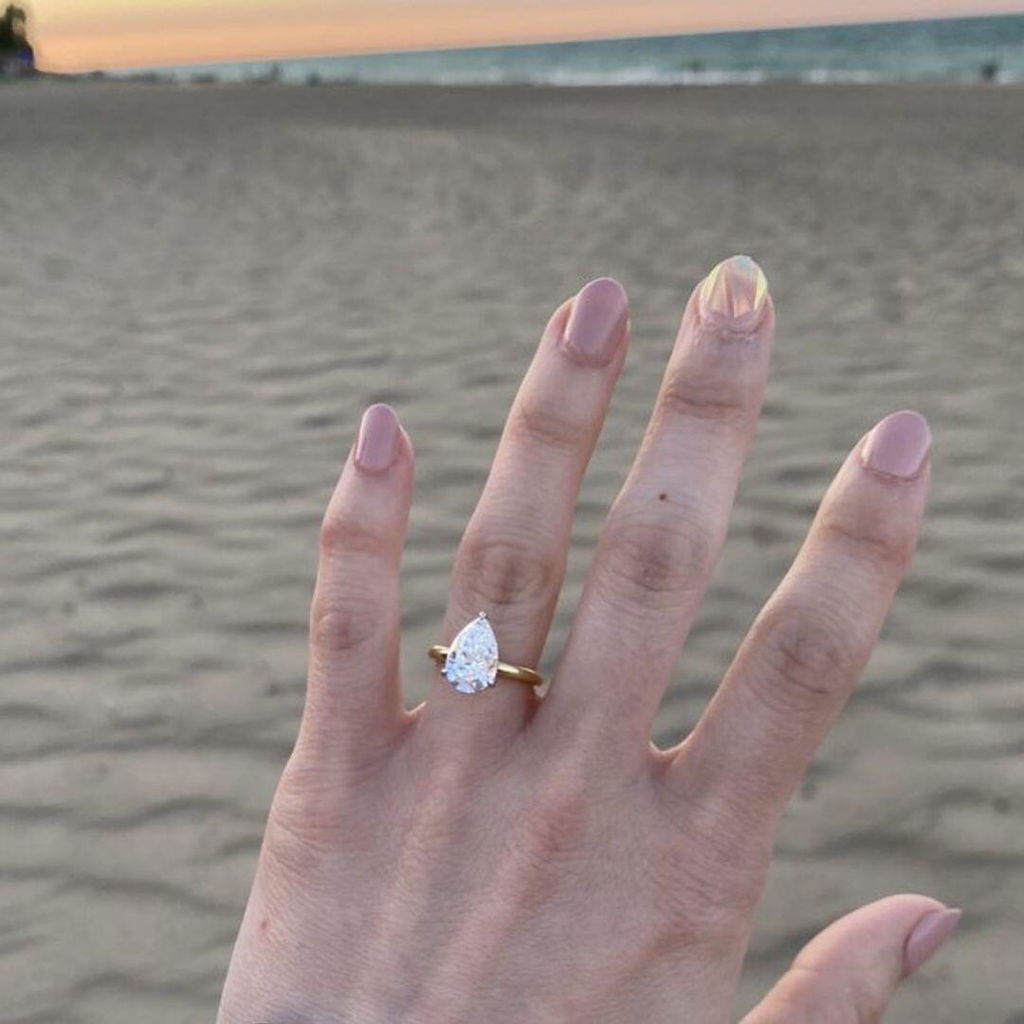
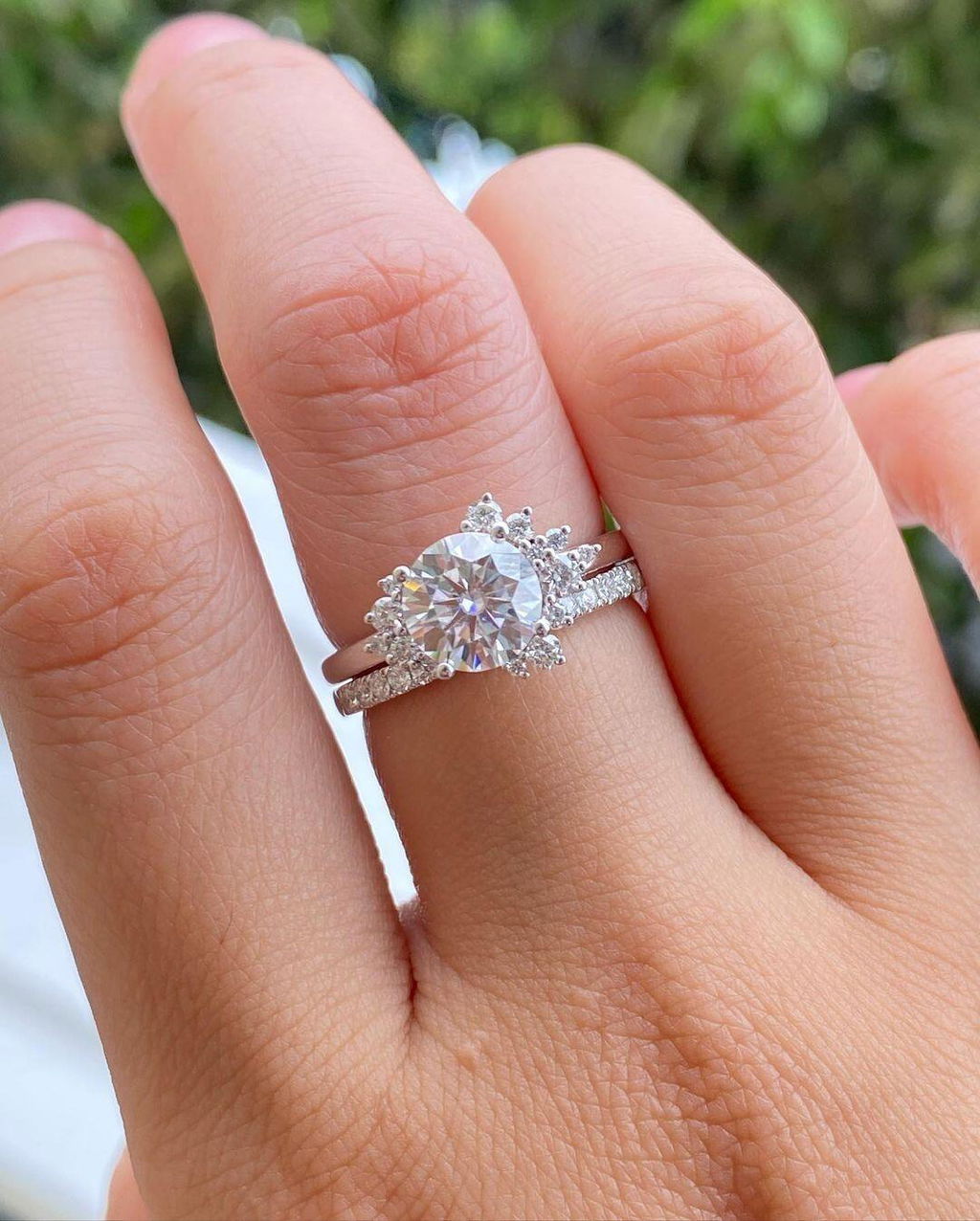
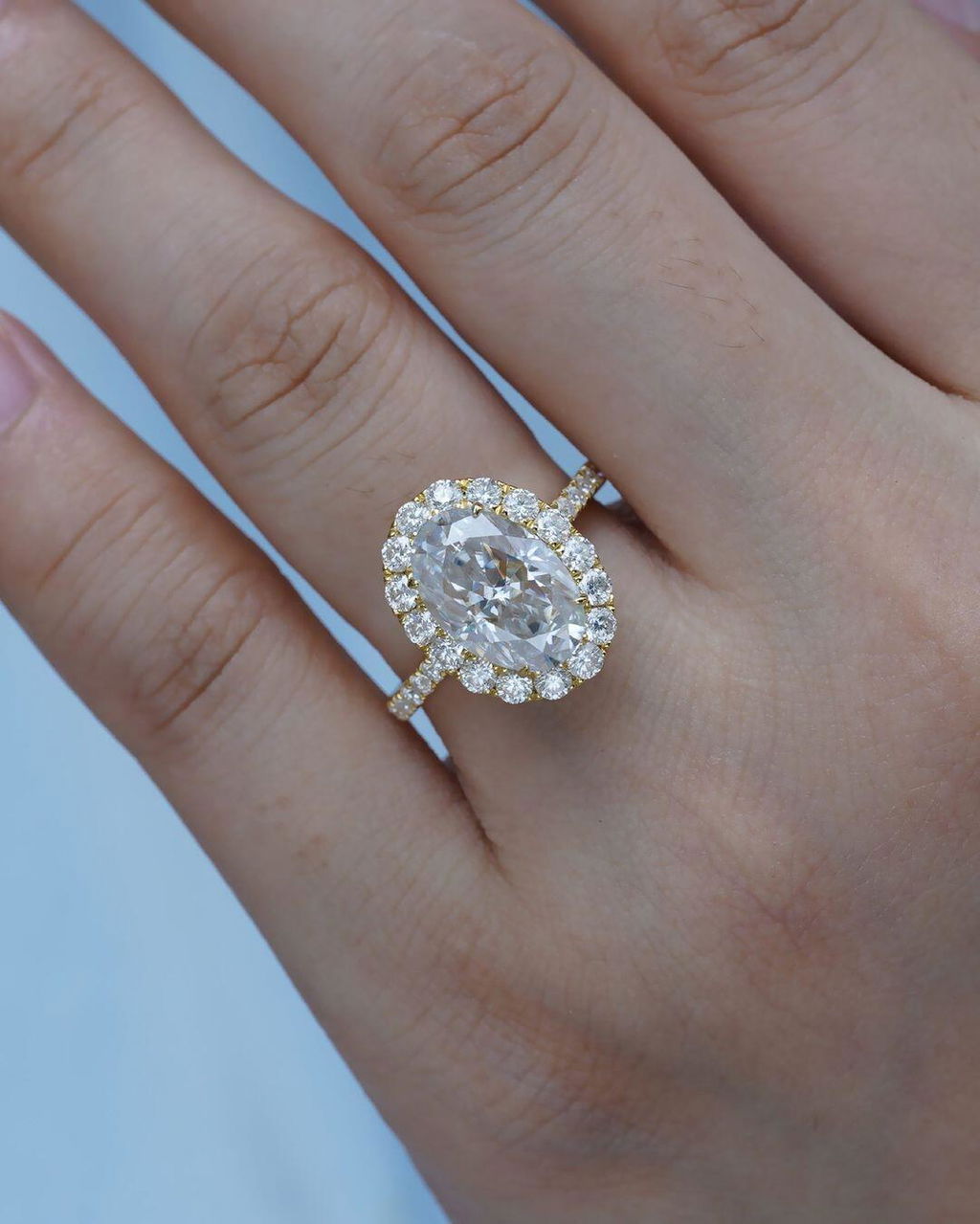
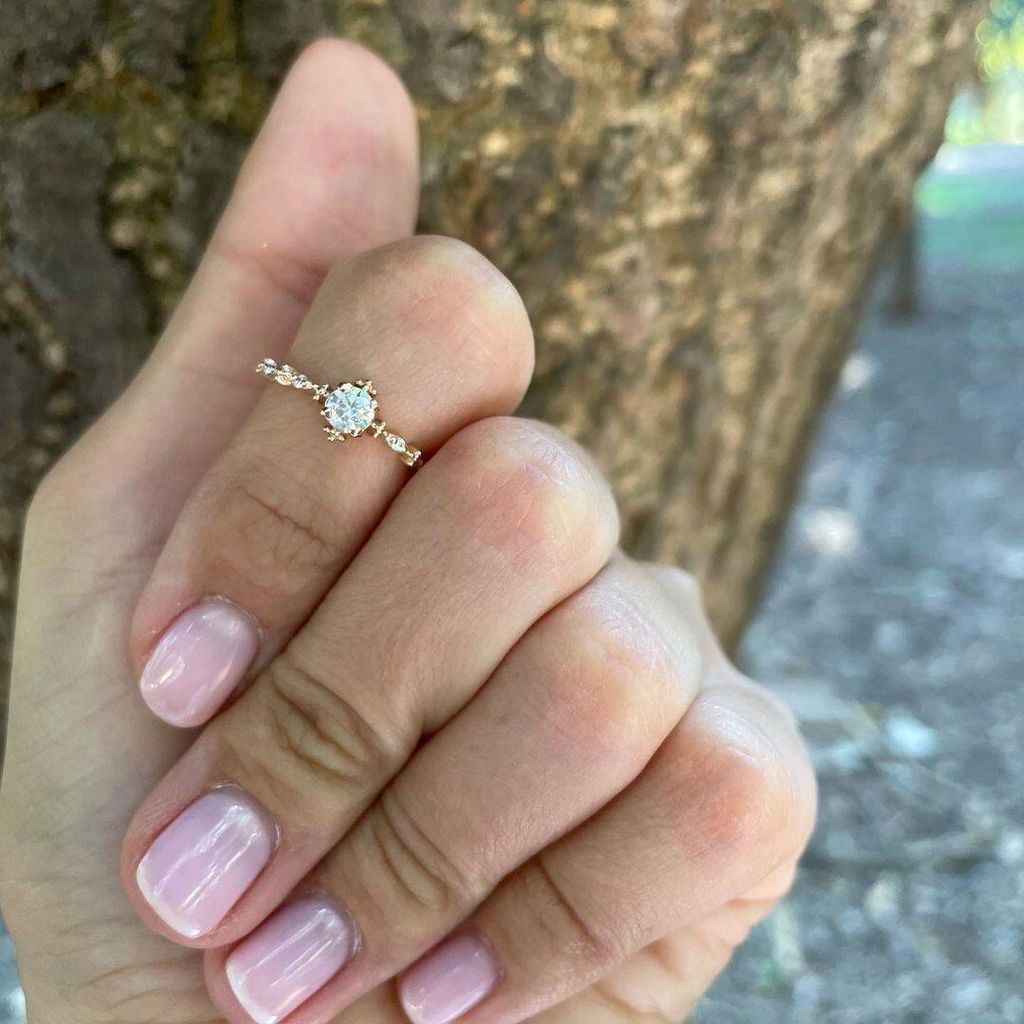



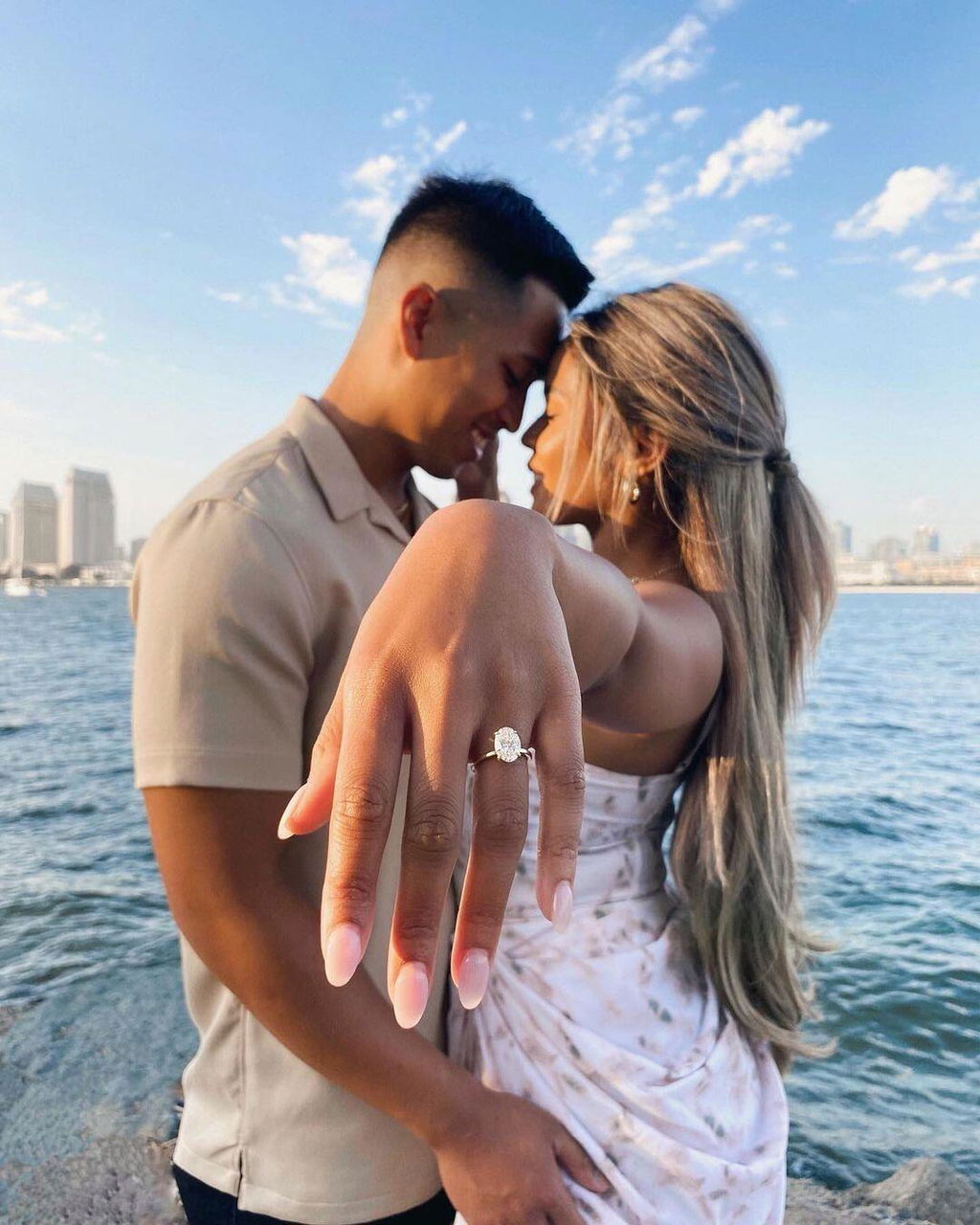
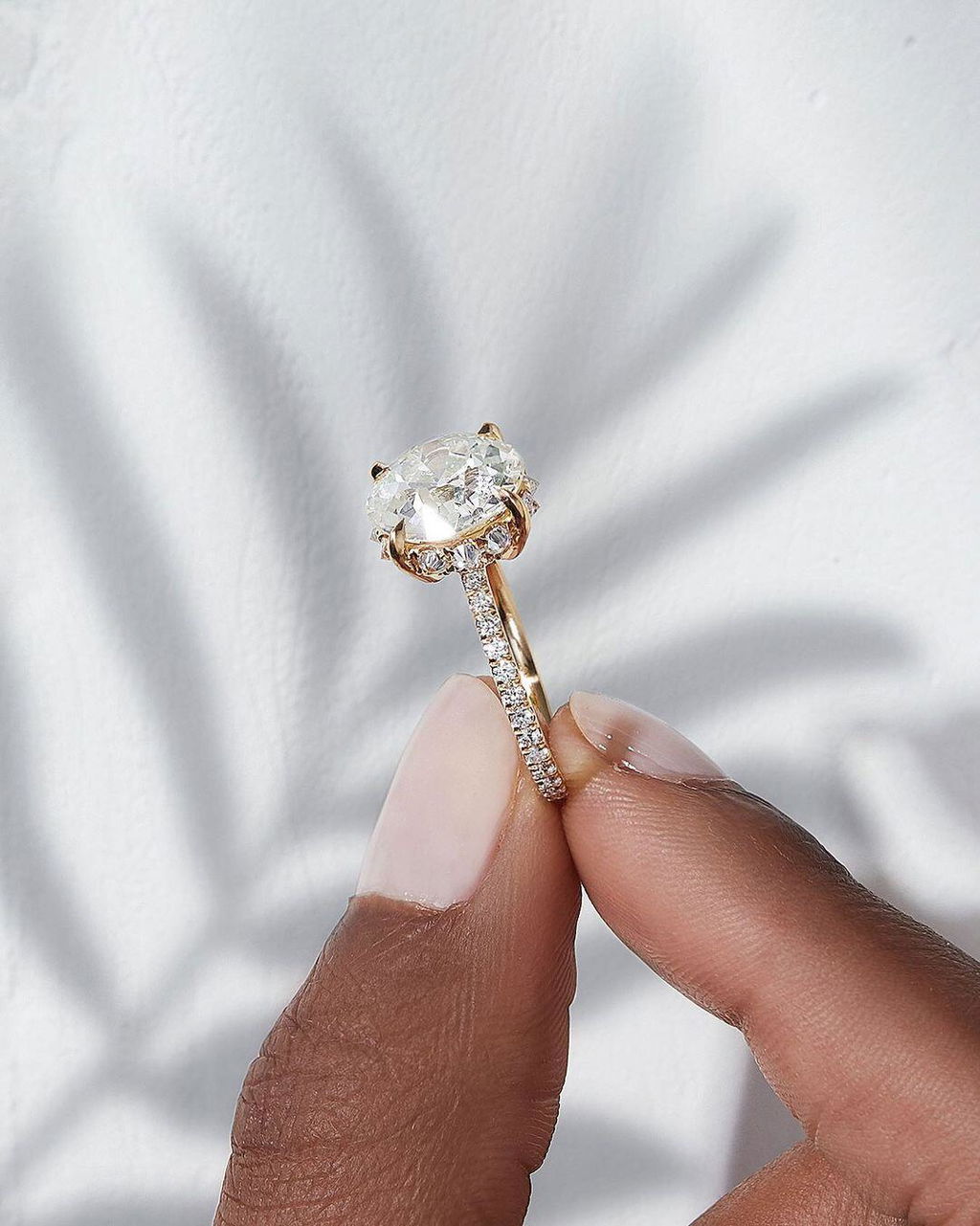


The guide
Diamond Studio Diamond Guide
By Andrew V., master jeweler and e-commerce jewelry specialist at Diamond Studio.
Internally Flawless (IF) Diamond Clarity Guide. A direct, structured guide for shoppers who want clear jewelry education, practical comparison points, and confident next steps.
What is the bottom-line answer?
Answer: Internally Flawless (IF) Diamond Clarity Guide should be evaluated through diamond identity, cut quality, grading, and visible sparkle. The best choice is the option that looks beautiful, feels practical, and can be maintained over time.
As a jeweler, I do not treat internally flawless (if) diamond clarity guide as a loose idea or trend. I break it into the physical details that decide whether a purchase performs in real life: metal, stone quality, construction, fit, proportion, documentation, and after-sale care.
A strong Diamond Studio guide should help a shopper decide what matters before they compare prices. If the basics are not clear, it becomes easy to overpay for a detail that sounds impressive but does not improve comfort, durability, or visible beauty.
What is the fastest practical way to use this guide?
Answer: Start with the purpose of the purchase, then narrow the design around the person who will wear it. A daily-wear piece, proposal ring, wedding band, gemstone gift, or educational comparison all require different priorities.
The fastest path is to write down the use case, preferred metal color, realistic budget, size or fit requirement, and desired maintenance level. Those five details prevent most buying mistakes before a shopper even looks at product pages.
Why does internally flawless (if) diamond clarity guide matter for shoppers?
Answer: Internally Flawless (IF) Diamond Clarity Guide matters because jewelry is personal, but the buying decision still depends on technical quality. Good guidance helps shoppers connect meaning and style with construction and long-term care.
Search results often reduce jewelry to one headline feature. Real ownership is more complex. A ring must fit, a bracelet must close securely, a chain must suit the pendant, a gemstone must tolerate the wearer's habits, and a diamond should look lively in normal lighting.
| Decision factor | What shoppers should compare | Andrew V.'s jeweler standard |
|---|---|---|
| Purpose | Whether internally flawless (if) diamond clarity guide is for daily wear, a gift, a proposal, or a milestone | The design should fit the real moment, not only the search keyword |
| Materials | Metal type, stone identity, setting construction, finish, and documentation | Every important material should be clearly described before checkout |
| Fit and comfort | Ring size, chain length, bracelet fit, earring weight, or how the piece sits on the body | Comfort is a quality feature, especially for pieces worn often |
| Care | Cleaning method, inspection schedule, repair limits, and storage needs | Diamond Guides should explain ownership, not only styling |
Where do shoppers make the most common mistake?
Answer: The most common mistake is choosing the biggest, trendiest, or cheapest option before checking construction and fit. Jewelry that looks good in a photo can still disappoint if it is uncomfortable or difficult to maintain.
For rings, pay attention to height, prongs, shank thickness, and whether the wedding band will sit correctly. For necklaces, check chain length, clasp quality, and pendant balance. For earrings, consider weight and backing style. For bracelets, clasp security and link flexibility matter as much as appearance.
What should you compare before choosing?
Answer: Compare materials, craftsmanship, sizing, stone or metal disclosures, maintenance needs, warranty terms, and the seller's ability to explain the product clearly. A trustworthy guide gives shoppers the vocabulary to ask better questions.
| Use case | Style priority | Durability and care priority | Budget priority | Wear frequency |
|---|---|---|---|---|
| Daily wear | Choose balanced proportions that fit the wearer's routine | Prioritize secure settings, sturdy metal, and simple cleaning | Spend on construction before size or trend details | High |
| Gift or milestone | Connect Internally Flawless (IF) Diamond Clarity Guide to the recipient's existing style | Confirm the piece can be maintained without special effort | Spend on presentation, finish, and a clear material description | Medium to high |
| Statement piece | Use bolder scale, color, shape, or setting details intentionally | Check exposed stones, prongs, links, and clasp strength | Avoid paying only for size if comfort or security is weaker | Occasional |
| Long-term staple | Favor classic lines, wearable metal color, and easy pairing | Choose serviceable construction and keep inspection records | Spend more when the upgrade improves wear, repair access, or visible beauty | High over time |
- Material disclosure: confirm metal, stone identity, treatment status, and any grading details that affect value.
- Construction: inspect settings, prongs, solder joints, links, clasps, chains, backs, and finishing quality.
- Fit: check ring size, bracelet size, chain length, earring weight, or how the piece will sit on the body.
- Care: understand cleaning limits, inspection timing, storage, and when professional service is needed.
- Style life: decide whether the piece is meant to be classic, expressive, symbolic, or trend-forward.
Does documentation matter for this topic?
Answer: Documentation matters whenever the material, stone, treatment, or price level could affect long-term ownership. It is less about paperwork for its own sake and more about making sure the buyer knows exactly what was purchased.
For diamonds and gemstones, documentation may include grading reports, treatment notes, metal descriptions, appraisals, receipts, and care instructions. For fashion or symbolic jewelry, the most important record may be metal quality, sizing, and service policy.
How should price, quality, and durability affect the decision?
Answer: Price should follow quality, not replace it. The better long-term purchase is usually the piece with balanced design, secure construction, and a serviceable structure rather than the piece with only the most dramatic headline feature.
A lower price can be excellent when the design is honest and well made. A higher price can be reasonable when the craftsmanship, material weight, stone quality, finishing, and service support are genuinely stronger. The problem is paying more without knowing what improved.
| Budget area | Where value is created | Where shoppers often overspend |
|---|---|---|
| Entry level | Simple design, honest materials, correct fit, and clean finishing | Paying for vague branding without better construction |
| Mid range | Better metal weight, stronger setting work, and more refined proportions | Chasing specs that are not visible in normal wear |
| Luxury range | Exceptional craftsmanship, custom details, larger stones, and service support | Choosing size before balance, comfort, and long-term maintenance |
When is it worth spending more?
Answer: Spend more when the upgrade improves visible beauty, comfort, durability, or future service. Do not spend more only because a specification sounds premium if it will not change how the piece looks or wears.
For example, better metal weight, stronger clasp construction, better prong work, cleaner gemstone cutting, or improved diamond light performance can be meaningful. A tiny grade improvement that is invisible in normal use may be less important than a safer setting or better fit.
What should you ask Diamond Studio before checkout?
Answer: Ask Diamond Studio what the piece is made from, why the design suits the intended use, how it should be maintained, and what service options are available after purchase. Clear answers are part of the value of buying fine jewelry from a knowledgeable source.
- What metal, gemstone, or diamond quality is being used?
- Is this design appropriate for daily wear, occasional wear, or gifting?
- What size, length, width, or fit detail should be confirmed before checkout?
- How should this piece be cleaned, stored, and inspected?
- What warranty, resizing, repair, or future service options apply?
What should be documented after purchase?
Answer: Keep the receipt, care instructions, appraisal if supplied, grading report if relevant, and any service records. These details protect the owner if the piece is insured, repaired, gifted, resized, or upgraded later.
Good documentation also helps future jewelers work responsibly. It clarifies metal type, stone identity, setting style, treatment disclosures, and any limits on repair or resizing.
How should this guide be used before making a final decision?
Answer: Use this guide as a structured checklist before choosing a product, not as a replacement for looking closely at the actual piece. The strongest jewelry decisions combine education, clear photos, transparent specifications, and a realistic understanding of how the item will be worn.
Before checkout, compare at least two or three realistic options in the same category. Look for differences in metal, stone quality, dimensions, setting style, return terms, care requirements, and long-term service. If two pieces look similar but one has stronger construction or clearer documentation, that difference can matter more than a small price gap.
It also helps to picture the wearer six months after purchase. A proposal ring should still feel comfortable after daily wear, a wedding band should not fight the engagement ring, a necklace should sit at the right height, and a bracelet should feel secure enough to wear confidently. Jewelry is successful when it becomes part of the owner's life, not when it only looks good on a product page.
What final rule should shoppers remember?
Answer: Choose the piece that balances beauty, comfort, transparency, and serviceability. A design can be fashionable, classic, symbolic, or bold, but it still needs to be made well enough for the way it will actually be used.
That final rule keeps the decision grounded. It prevents shoppers from choosing only by size, only by price, or only by a trend. The best Diamond Studio purchase should satisfy both the technical checklist and the personal reason the piece is being bought.
Frequently Asked Questions
Is internally flawless (if) diamond clarity guide worth researching before buying?
Answer: Yes. Researching internally flawless (if) diamond clarity guide helps shoppers understand what affects beauty, comfort, price, and durability before money is spent.
What is the most important quality factor?
Answer: The most important quality factor is the one that affects real wear. Depending on the piece, that may be cut, metal weight, clasp security, setting strength, color, comfort, or fit.
Should I prioritize style or technical specs?
Answer: Prioritize both, but in the right order. Choose a style the wearer will love, then confirm the technical details are strong enough for the way the piece will be used.
How can I avoid overpaying?
Answer: Ask what each upgrade actually changes in the finished piece. Pay for visible beauty, stronger construction, better comfort, and service support instead of vague labels.
Can Diamond Studio help compare options?
Answer: Yes. Diamond Studio can help compare materials, stone quality, settings, sizing, proportions, care needs, and long-term service considerations before purchase.
Related Diamond Studio Resources
Use these Diamond Studio resources to compare styles, understand quality details, and continue your buying research.
- Lab-grown diamond engagement rings
- Engagement rings
- Lab-grown diamond rings
- Diamond education
Every piece has its own specifications. Consult the product details and any accompanying grading report when comparing individual jewelry.
Original page address ↗

