Introduction
Education / Engagement Ring Guides Engagement guide 10K vs 14K Gold Understand the practical differences between 10K and 14K gold.
On this page
Quick answer How to choose What to compare Recommendation FAQ Quick answer 10K vs 14K Gold is best approached by comparing what you can see first, then confirming the technical details that support it. Start with the style, proportion, durability, and budget needs that matter most, then use grades, measurements, metal choice, or certification to narrow the options. Metal comparison
Metal changes color, care, and durability
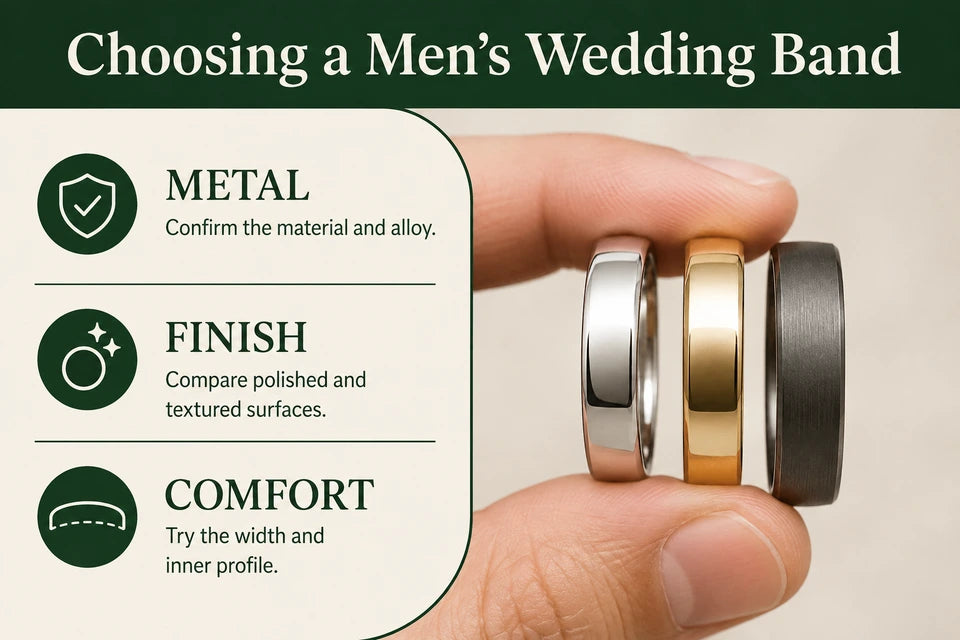
Metal choice influences diamond color perception, ring maintenance, daily wear, and the overall mood of the design. Platinum White gold Yellow gold Rose gold Titanium Tungsten Color Changes how white or warm a diamond appears. Durability Depends on alloy, hardness, and repairability. Maintenance Some metals need plating, polishing, or special care. Feel Weight, width, and finish influence comfort. Metal guides need swatches because the decision is partly visual and partly practical.
How to choose 10k vs 14k gold
Understand the practical differences between 10K and 14K gold. For Diamond Studio shoppers, the strongest choice is usually the option that looks beautiful in real life, fits the intended setting or occasion, and can be explained clearly on paper. Think of this decision in three layers: appearance, practicality, and confidence. Appearance covers the first impression: shape, sparkle, color, profile, and scale. Practicality covers comfort, care, durability, resizing, and how often the piece will be worn.
Confidence comes from documentation, craftsmanship, transparent pricing, and a buying process that answers questions before checkout.
Key takeaways
Start with the visual result. Grades and specs are useful, but the finished piece should look balanced from normal viewing distance. Compare similar options. Evaluate pieces with the same shape, metal, size range, or style before deciding which tradeoffs are worthwhile. Protect everyday wear. Choose settings, metals, and proportions that match lifestyle, comfort, and long-term care. Confirm the details. Review measurements, certification, material quality, warranty, and service policies before purchase.
What to compare before buying
Beauty factors Center stone shape and scale Setting profile and side view Band width and metal color How the ring looks alone and with a wedding band Practical factors Prong security and setting height Sizing accuracy and resizing options Metal durability for everyday wear Cleaning, insurance, and service needs
Diamond Studio recommendation
Use this guide as a starting point, then compare two or three strong options side by side. If one option is technically higher but does not look more beautiful or feel more wearable, it may not be the better buy. A well-balanced choice should support your style, budget, and confidence at the same time. Choose the style direction first. Set a full budget for the finished piece. Compare quality and measurements, not marketing labels alone.
Review care, warranty, resizing, and documentation.
FAQ
What is the most important thing to know about 10k vs 14k gold?
The most important thing is to connect the technical details to the real-life result. 10K vs 14K Gold should be judged by appearance, durability, comfort, documentation, and whether the choice fits the intended style and budget.
How do I compare 10k vs 14k gold options?
Compare options with similar size, shape, metal, or grade ranges. Then look at the visible differences, the practical tradeoffs, and the total finished price rather than one isolated specification.
Should I choose the most expensive option?
Not always. The best option is the one that offers the right balance of beauty, craftsmanship, wearability, and budget. Higher price only matters when it improves something you will actually notice or value.
What should I do before purchasing?
Review measurements, materials, care needs, warranty or service options, return policy, and any certification or appraisal details. When possible, compare your final choices side by side.
Related guides
Engagement Engagement Ring Buying Guide Choose an engagement ring by setting style, stone shape, metal, hand proportion, and budget. Engagement Engagement Ring Styles Guide Compare solitaire, halo, hidden halo, three stone, pave, bezel, cathedral, and vintage-inspired styles. Engagement Engagement Ring Settings Guide Learn how settings influence security, height, sparkle, profile, and everyday wear. Engagement Engagement Ring Anatomy Understand shank, head, basket, gallery, prongs, bridge, shoulders, and center stone.
Engagement Solitaire Engagement Ring Guide Learn why solitaire rings are timeless and how to choose shape, metal, and band width. Engagement Halo vs Hidden Halo Rings Compare visible halo and hidden halo settings by sparkle, profile, and style. Diamond Studio
Need help choosing?
Explore Diamond Studio pieces or connect with our team for help choosing the right style, stone, or setting. Shop engagement rings
Every piece has its own specifications. Consult the product details and any accompanying grading report when comparing individual jewelry.
Original page address ↗